
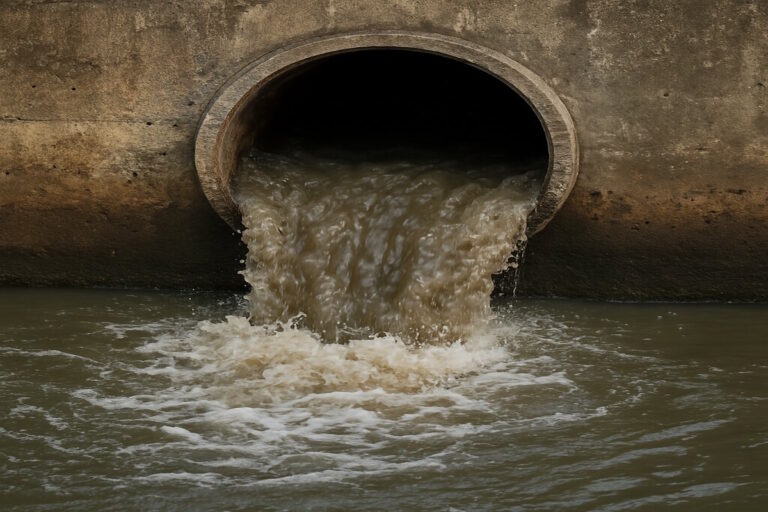
According to the latest data from the United Nations Sustainable Development Goals (UN SDG), approximately 56% of domestic wastewater worldwide was safely treated in 2024, meaning it underwent at least secondary treatment in accordance with national or local standards. This data covers about 92% of the global domestic wastewater flow and includes more than 140 countries and territories.
In 2022, it was recorded that out of a total of 268 billion cubic meters of generated domestic wastewater, around 155 billion cubic meters were safely treated before being discharged into the environment. However, a significant portion, about 44%, still did not undergo adequate treatment, posing a serious challenge for water quality preservation and environmental protection.
These data highlight the importance of further investment and accelerated efforts in building and modernizing wastewater collection and treatment systems, especially in countries with underdeveloped infrastructure. Projects such as “Clean Serbia” contribute to this global goal by modernizing local utility networks and raising environmental protection standards.
Further progress in wastewater treatment is crucial to achieving UN SDG Target 6.3, which aims by 2030 to significantly reduce pollution, eliminate the discharge of untreated wastewater, and increase recycling and safe reuse of water globally.