“Clean Serbia” in Vranje is one of the capital projects

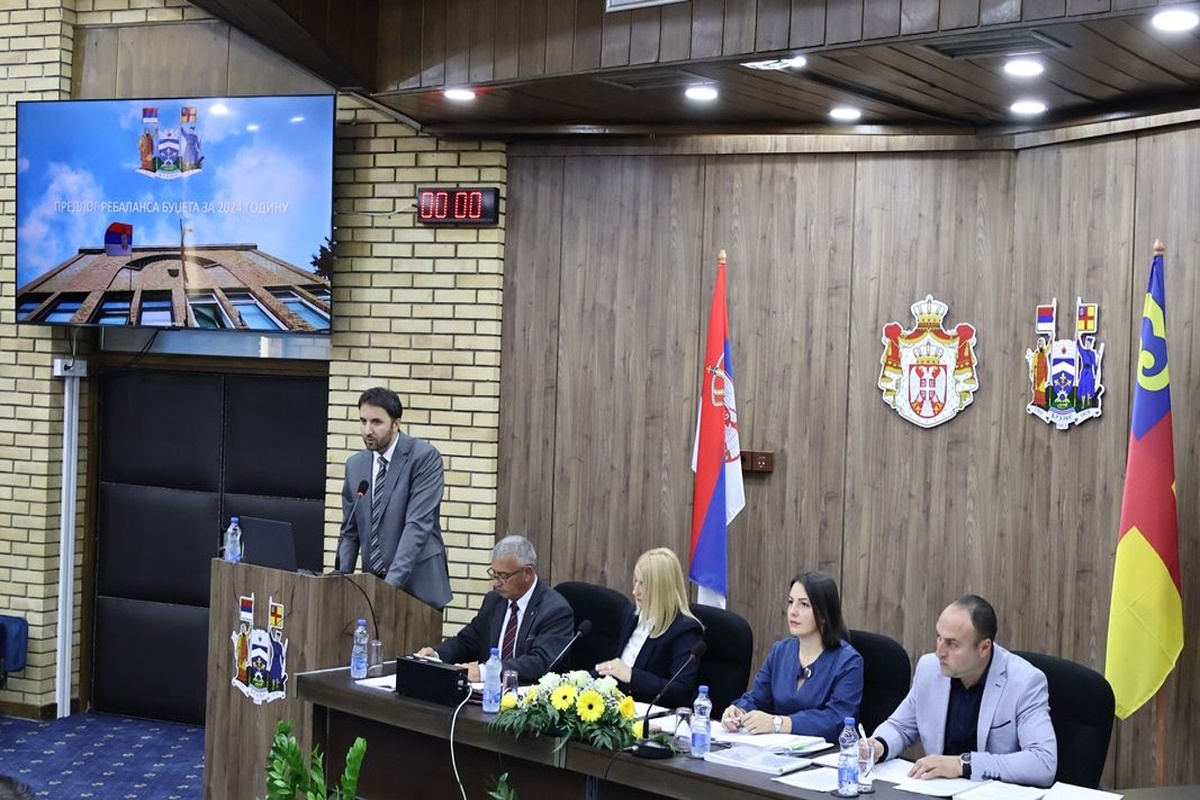
The Assembly of the city of Vranje adopted the rebalancing of the budget for 2024. Among the most important projects in this city, the “Clean Serbia” project was particularly highlighted at the Assembly session.

The most important reasons for rebalancing the budget for 2024 in Vranje are, as explained by City Council member Bojan Kostić, projects supported by competent ministries, harmonization of financial plans of institutions and other budget users in accordance with changes during the year and increased allocations for infrastructure .

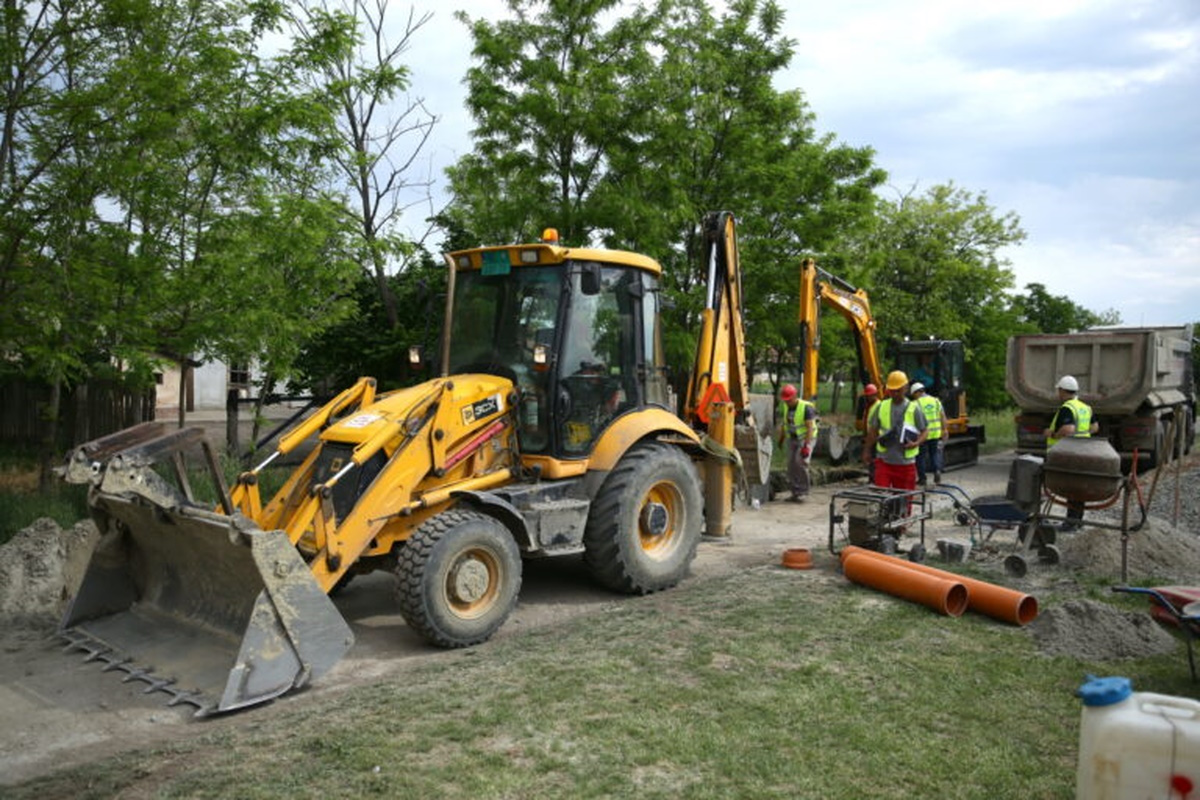
As you could hear at the session, some of the most important capital projects that are being implemented together with the competent ministries are the “Clean Serbia” project, which envisages the construction of a 140 km sewage network on the territory of the city of Vranje, followed by the construction of the Regional Landfill. Meteris”, reconstruction of the General Hospital in ZC Vranje and others.

The total value of all capital projects is 125 million euros.
The “Clean Serbia” project is a chance for the Municipality of Svrljig

“Clean Serbia” is a chance for Svrljig to get a wastewater treatment plant,” said the president of Svrljig Municipality, Miroslav Marković, to Euronews.

Euronews reminds that Svrljig is one of the first municipalities that will receive a waste water treatment plant and seven kilometers of sewerage as part of the “Clean Serbia” project.

The facts show that the building, which was built in the eighties of the last century, was never completed due to the high costs for this poor municipality. Now the works are coming to an end.

“Eighty percent of the project has been completed. The largest factory is being built, we are sure that it will be finished before the end of the year. The sewage system is mostly built. This is now the second chance for Svrljig to get that facility, which will mean not only for Svrljig but also for Knjaževac and Zaječar because Timok from Srljig is going further towards them,” said the president of Svrljig Municipality, Miroslav Marković, to Euronews.

The “Clean Serbia” project envisages that access to the sewage network will be provided for 7,000 inhabitants.

Clean Serbia: Make septic tanks a thing of the past

The goal of the implementation of the “Clean Serbia” project is that the sewage network reaches every household. Unfortunately, many households in Serbia have been using either concrete or plastic septic tanks for many years. Both represent a danger to the environment, as well as human health.

The lack of a sewage network, which implies a safe and stable removal of waste water to collectors and waste water treatment plants, is often compensated by the use of increasingly popular plastic septic tanks in recent years.

Although made of high-quality plastic, they have a number of disadvantages, especially after many years of use.

First of all, they are subject to deformation depending on the terrain on which the mentioned tubs are buried. The difference between them is that they either only have an inlet part, so frequent emptying is necessary, or they also have an outlet part, so waste water often spills into the immediate environment.

If such a tub is placed near the source of drinking water, it is not uncommon for it to become contaminated.

In areas with high groundwater levels, septic tanks can be problematic because they can float or become damaged. Sewage systems do not have these problems because they are designed to function regardless of local hydrological conditions.

There are many reasons for hooking up to a sewer network as opposed to septic tank solutions. Among them, surely the most concrete and important one is that sewage provides a safer and healthier option because waste water is properly disposed of, reducing the risk of pollution and the spread of disease. Septic tanks, especially if they become clogged or overflow, can cause unpleasant odors and contaminate both soil and water.

The “Clean Serbia” project envisages the construction of a sewage network in as many as 77 cities and municipalities in Serbia, thus ensuring a safer and healthier living environment and living conditions.

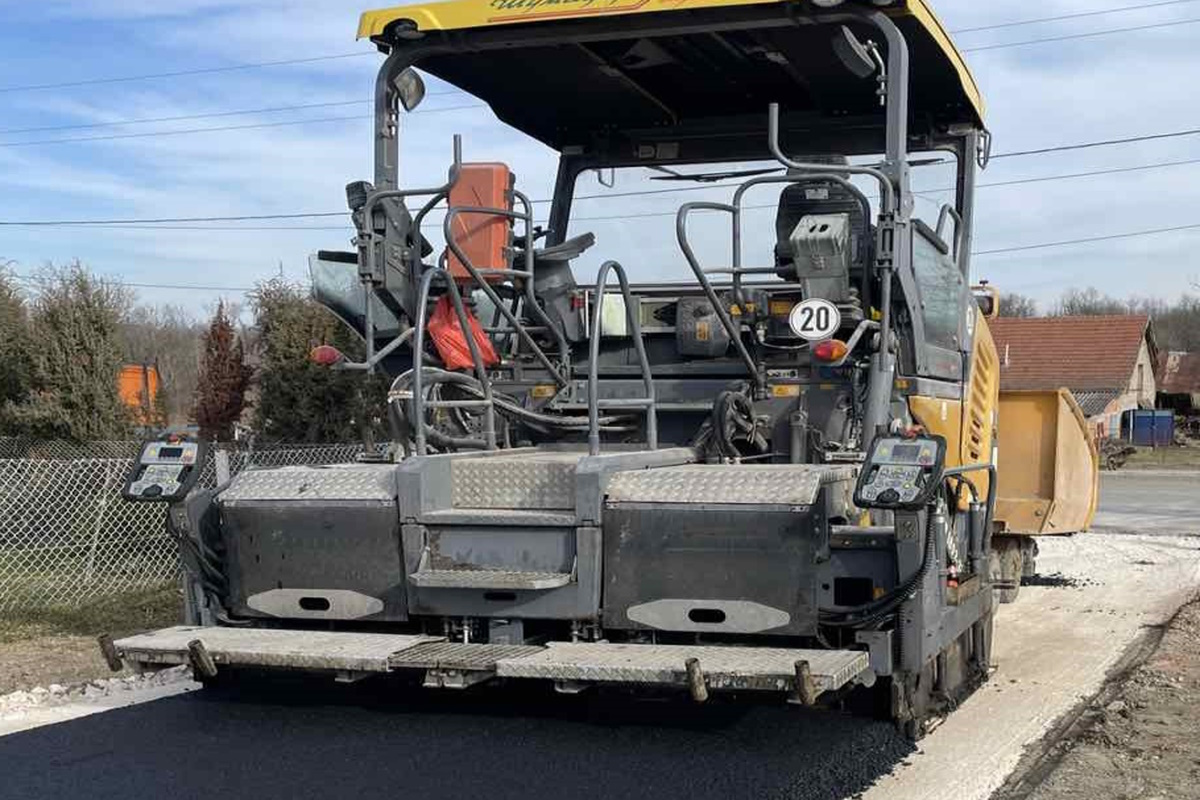
Clean Serbia: Asphalting has begun in Kučevo

In the municipality of Kučevo, the last days of September saw the start of asphalting of the streets where the construction of sewage networks was completed.

As part of the project “Clean Serbia” in the Municipality of Kučevo, the rehabilitation of the road curtain has begun after the works in several city streets have been completed. For this municipality, the project envisages the construction of a 24,116.00 m sewage network.

The estimated number of households that will receive a new sewage network through the implementation of the project is as many as 4,000.