
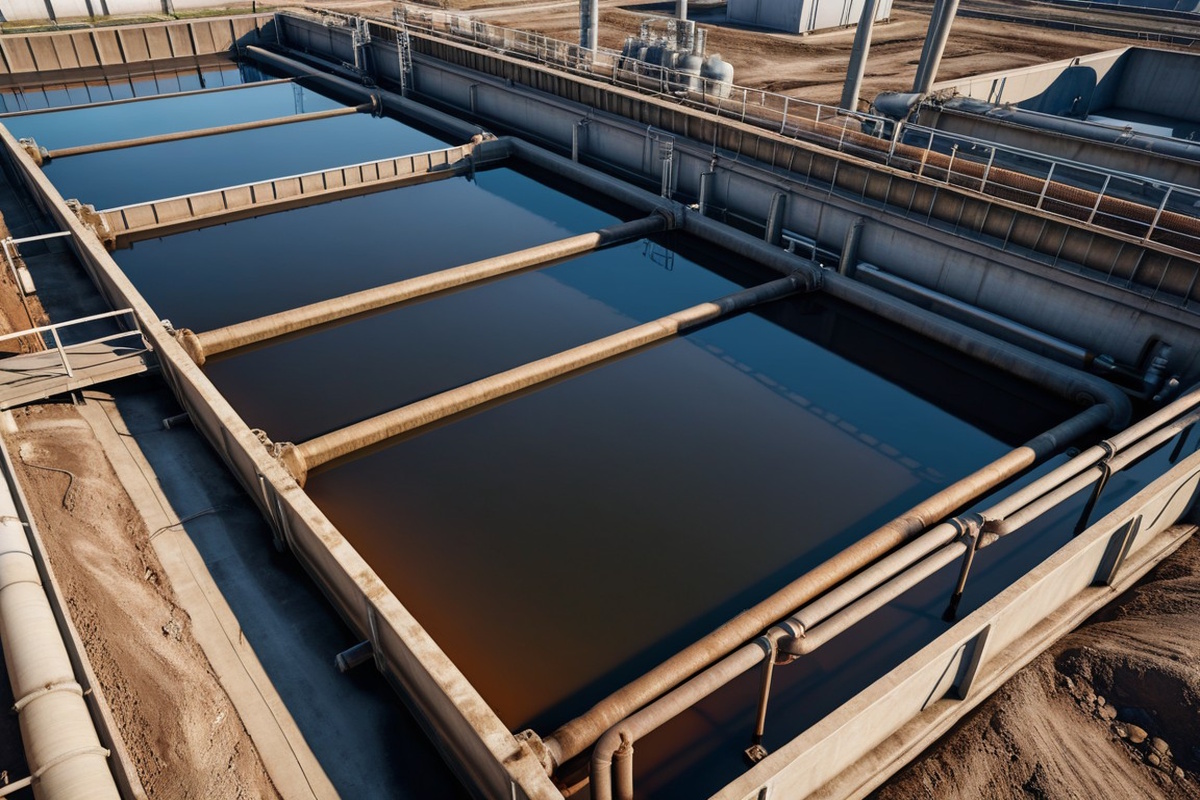
In 2024, a total of 30 million m³ of water from the industrial sector was treated, of which 56.2% underwent primary treatment, 22.5% secondary treatment, and 21.3% tertiary treatment, according to official data from the Statistical Office.
Data from the Republic Statistical Office show that in 2024, 4,026 million m³ of water was used in industrial sectors, which is 0.2% more compared to 2023.
In 2024, 4,026 million m³ of water was used in industrial sectors, which is 0.2% more compared to 2023.
Of the total 4,026 million m³ of water withdrawn in industrial sectors, 99.6% consists of water from own water intakes (98.7% surface water and 0.9% groundwater), and 0.4% from the public water supply.
Water used for industrial needs in 2024, observed by sectors and compared to the previous year, recorded the following trends: Mining – an increase of 39.4%, Manufacturing industry – a decrease of 4.4%, and Supply of electricity, gas, and steam – an increase of 0.1%.
Of the total water used in industry, 97.4% is used in the supply of electricity, gas, and steam, 1.9% in manufacturing, and 0.7% in mining.
Of the total 112 million m³ of industrial wastewater, 41.0% consists of water discharged from the Supply of electricity, gas, and steam sector, 36.6% from the Manufacturing industry sector, and 22.4% from the Mining sector.
In 2024, a total of 30 million m³ of water was treated, of which 56.2% by primary treatment, 22.5% by secondary treatment, and 21.3% by tertiary treatment. The largest share of treated water in the industrial sector belongs to the Basic metals production area – 16.8%, followed by Food product manufacturing – 16.2%, Chemical and chemical products manufacturing – 15.0%, and Paper and paper products manufacturing – 11.0%. All other industrial sector areas account for 41.0% of treated water, according to the Statistical Office report.
Month: June 2025
The “Clean Serbia” project in the mayor of Vranje’s report
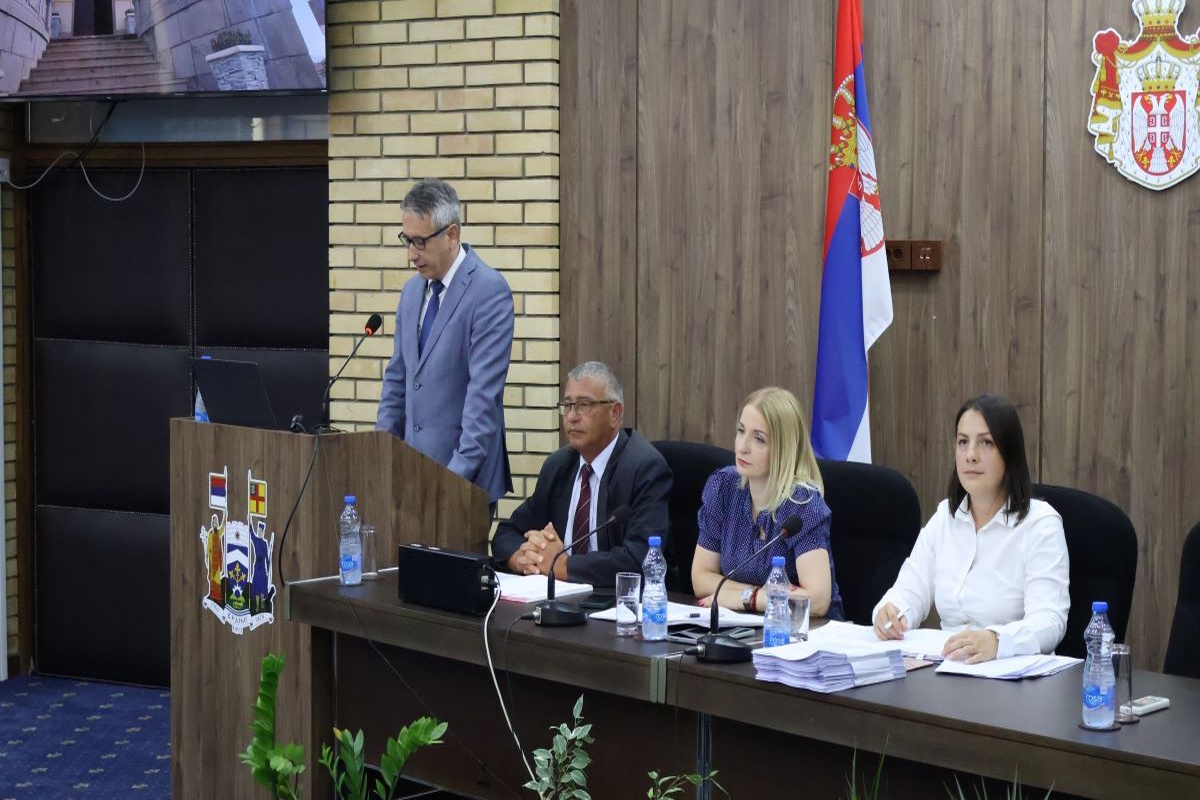
In his annual report, the Mayor of Vranje, Slobodan Milenković, listed numerous infrastructure projects, including the “Clean Serbia” initiative.
At the 13th session of the City Assembly, chaired by Zorica Jović, the reports on the work of the Mayor and the City Council for the year 2024 were reviewed and adopted. These reports were presented by Dr. Slobodan Milenković, Mayor of Vranje.
“The construction and reconstruction of the water supply and sewage network continued, and as part of the ‘Clean Serbia’ project, in cooperation with the Ministry of Construction, Transport and Infrastructure, work progressed and communal sewage infrastructure was built in many streets, both in urban areas and rural communities,” stated Milenković in the report.
The report highlighted that the works covered both urban and rural areas.
photo: City of Vranje
World environment day focused on plastic pollution
World Environment Day is celebrated every year around the globe to raise awareness of environmental issues and to encourage more responsible environmental protection. For 2025, the theme is “Solutions to Plastic Pollution”, and the host country will be Ivory Coast, specifically the city of Abidjan.
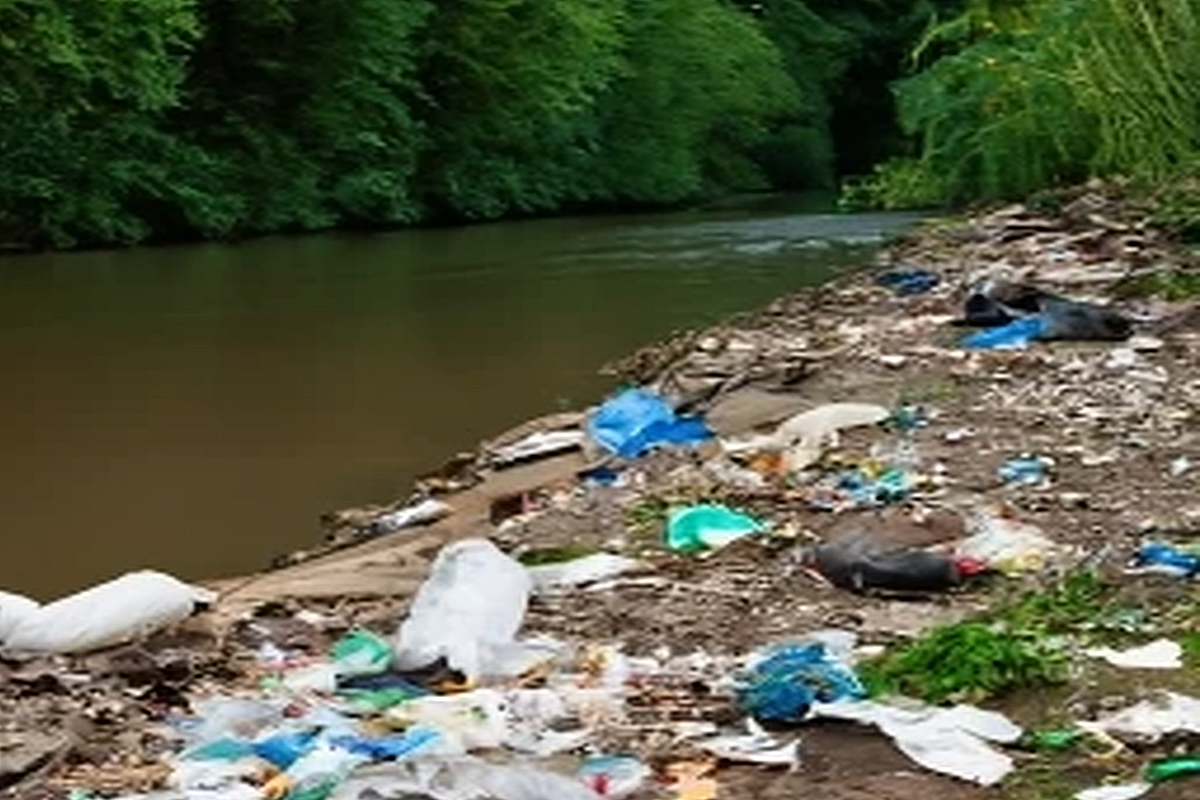
Pollution of rivers and lakes is a serious environmental problem in Serbia as well. Many watercourses are contaminated with plastic waste – from packaging, bags, and bottles, to microplastics that disrupt ecosystems and endanger both plant and animal life. Plastic from water sources enters the food chain, which in the long term has consequences for human health as well.
That is why one of the main goals of the national project “Clean Serbia” is not only the construction of modern utility infrastructure – sewage networks and wastewater treatment plants – but also raising public awareness of the importance of protecting nature and managing waste responsibly.
The project reminds us that the preservation of rivers, lakes, and groundwater is not a task completed solely by building pipelines and treatment plants, but also by changing behavior – from proper waste disposal to avoiding single-use plastics. The participation of local communities, educational institutions, and individuals is crucial to the success of these efforts.
In the context of this year’s global theme – “Solutions to Plastic Pollution” – it is important to emphasize that Serbia, through initiatives such as “Clean Serbia,” is taking concrete steps toward a healthier and more sustainable environment.