World water day: Global and local perspectives

World Water Day is celebrated every year on March 22, and the theme for 2025, announced by the United Nations, focuses on glacier protection. The UN emphasizes that glaciers are crucial for preserving life, as their melted water provides drinking water, supports agriculture, industry, clean energy production, and ecosystem preservation. This year’s theme aims to raise awareness about the rapid melting of glaciers due to climate change, which threatens global water supply and disrupts natural balance.

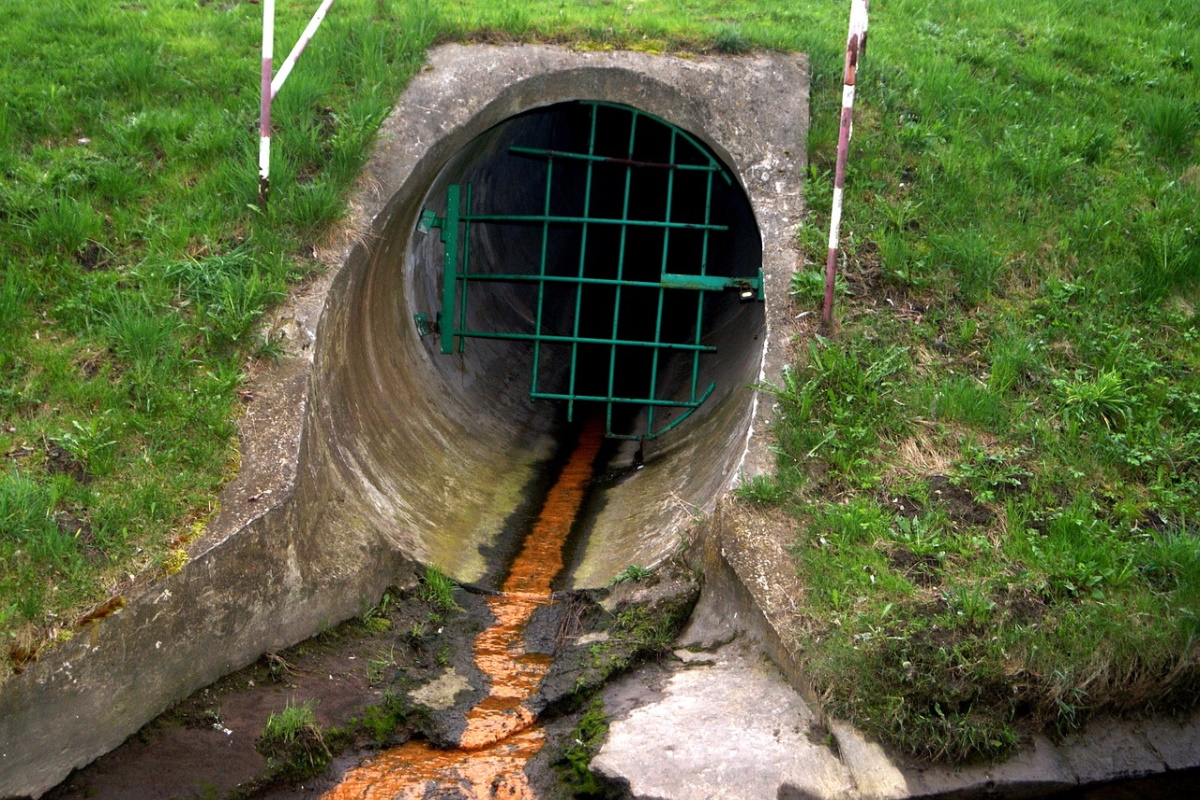
Glaciers account for approximately 69% of the planet’s freshwater, and their melted water directly affects ecosystems, rivers, and lakes worldwide. However, in Serbia, despite having significant water resources, the country faces challenges in maintaining water quality and availability. The quality of water in Serbia’s rivers varies, but many are heavily polluted due to the discharge of untreated industrial and municipal wastewater, as well as agricultural pollution, including pesticides and artificial fertilizers.

In the last six months, 65 locations in Serbia have faced water shortages, highlighting the concerning state of water resource management. The causes of this issue include the drying up of springs, rivers, and lakes, leaving many areas without water for drinking, agriculture, and basic daily needs.

Serbia is actively working on addressing the problems of sewage and wastewater treatment through the “Clean Serbia” project. This project aims to improve the ecological protection of water and land, which will enhance the quality of life for around 2.5 million residents in the affected municipalities.

Approved land plot for wastewater treatment plant construction

The Sombor City Council has decided to transfer land plots for the construction of a wastewater treatment plant as part of the “Clean Serbia” project.

The City Council of Sombor has approved the transfer of the necessary land plots for the construction of the wastewater treatment plant, enabling further implementation of the “Clean Serbia” project.

As reported by Vojvodina Uživo, during the City Council session, a proposal was adopted for the transfer of public property on cadastral parcel 7047 K.O. Bezdan, free of charge. This parcel, designated in planning documents for the construction of a wastewater treatment plant, is being transferred from the public ownership of the Republic of Serbia to the public ownership of the City of Sombor.

The “Clean Serbia” project plays a key role in improving communal infrastructure by facilitating the construction of a modern sewage network and wastewater treatment system. As part of this project, work is currently underway on the construction of a wastewater treatment network in Sombor and the surrounding settlements of Bezdan, Kolut, Bački Breg, Stanišić, Kljajićevo, and Doroslovo.

Chinese ambassador: „Clean Serbia“ project improves water treatment

The Chinese ambassador to Serbia, Li Ming, stated in an interview with Tanjug that the two countries have excellent potential and strong cooperation, particularly in infrastructure, high technology, and environmental protection.

“Chinese companies are building bridges on the Danube in Novi Sad, and some Chinese firms have taken over the implementation of the ‘Clean Serbia’ project, which aims to improve water treatment across the country,” Ambassador Li said.

He emphasized that cooperation between Serbia and China is expanding into renewable energy, biotechnology, and other high-tech sectors.

“We have great potential for further strengthening our relations, and our task is to work closely together to turn this potential into reality,” concluded the Chinese ambassador.

“Clean Serbia” – Solution for Aleksinac sewer network

The municipality of Aleksinac may soon receive a modern sewer network and a wastewater treatment plant as part of the national program Clean Serbia. The estimated cost of the project is around 40 million euros, significantly exceeding the annual municipal budget, so it will be funded by the state.

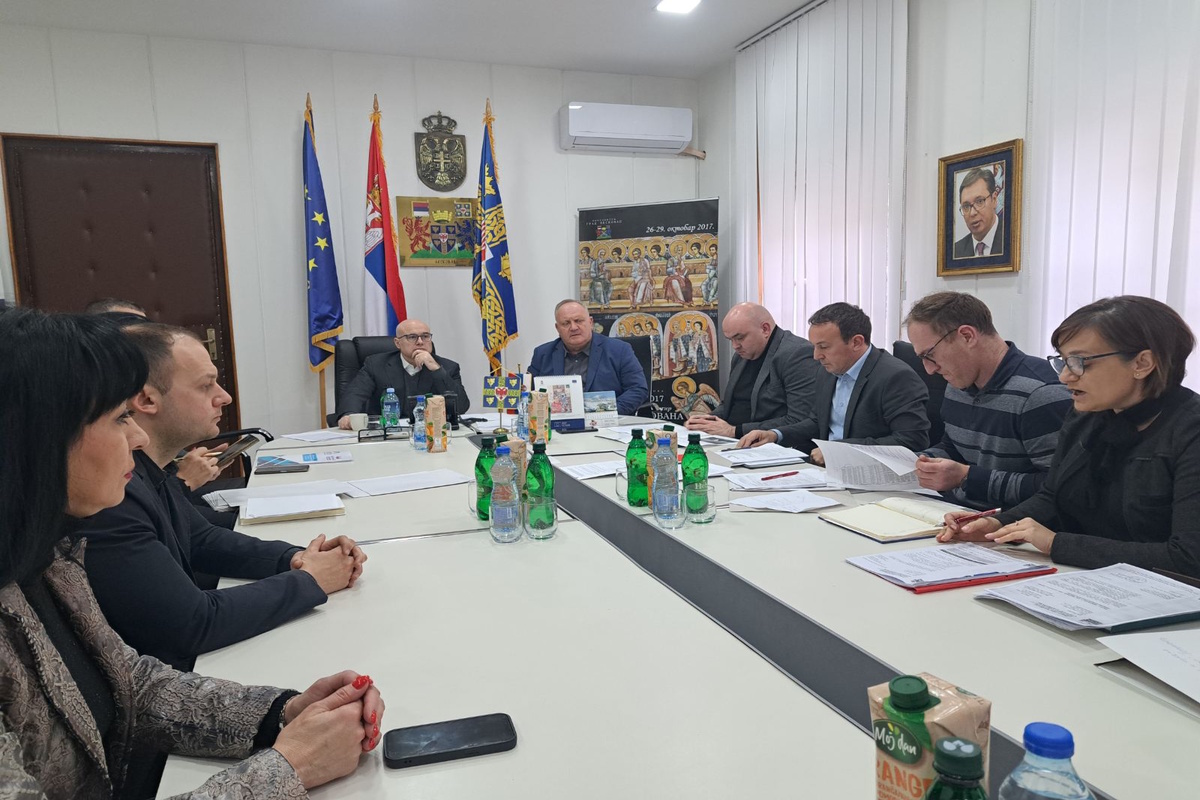
Municipal president Dalibor Radičević told Alpress that the project has been in development for two years and that key preparations have been completed:

“The conditions have been met for the construction of 70 kilometers of sewer network in Žitkovac and the surrounding settlements. Building permits have been obtained, and land expropriation has been completed, which was our responsibility. Now, we are waiting for the designer, appointed by the ‘Clean Serbia’ program, to finalize the documentation for the wastewater treatment plant.”

He added that the municipality of Aleksinac would not be able to carry out such a large project on its own:

“If we relied solely on the local budget, we wouldn’t even be able to finance one-third of the planned work. The exact cost will be known once the design is completed and all permits are obtained for the part of Aleksinac on the right bank of the Južna Morava River.”

Construction is expected to begin this year, but a level of caution remains, considering past experiences with projects that were left unrealized.

The sewer works are underway in Pojat, followed by Stalać and Ćićevac

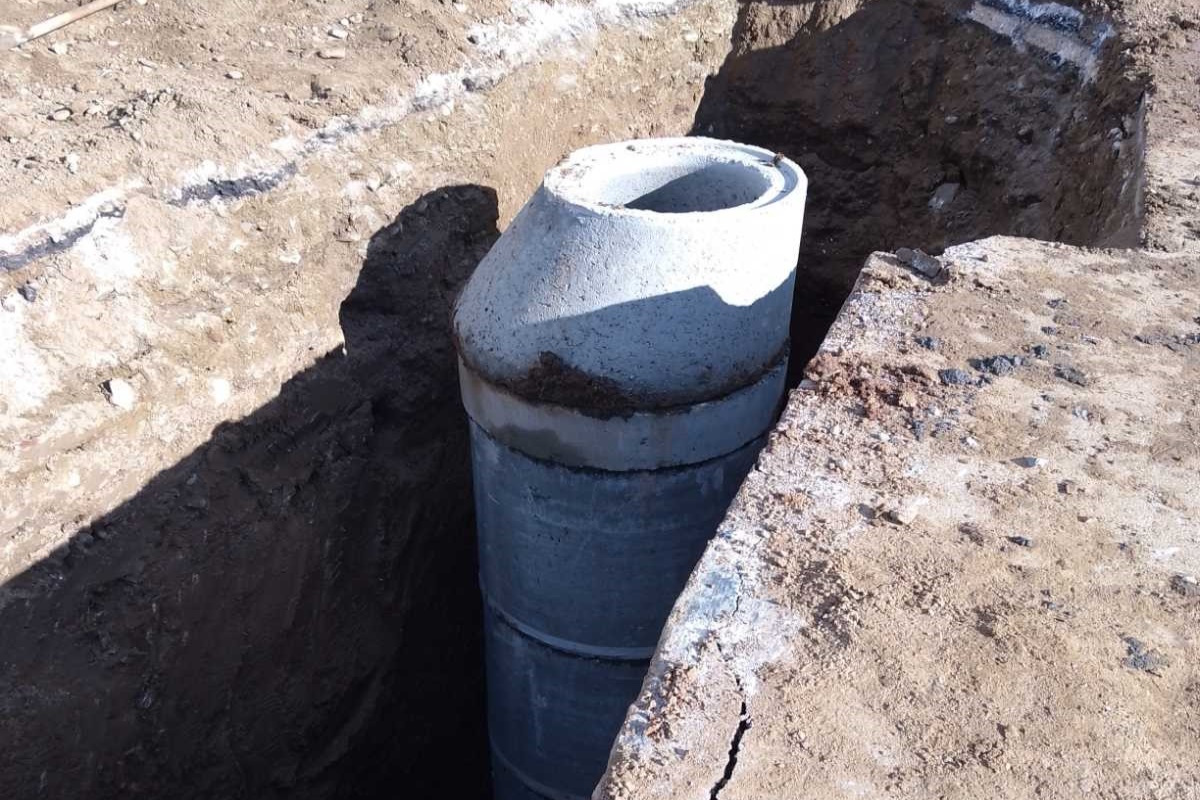
As part of the implementation of the “Clean Serbia” project in the municipality of Ćićevac, excavation and pipe installation are currently underway in several streets in Pojat, and the mayor of the municipality, Dr. Mirjana Krkić, announced that after Pojat, the work will move to Grad Stalać, while the final phase will cover Ćićevac itself.

“This year, the plan is to construct 30 kilometers of the sewage network. I urge the citizens to be patient during the ongoing work, as the ‘Clean Serbia’ project is of great importance and requires both time and cooperation from everyone. With the arrival of spring, along with agricultural work, there may be temporary infrastructure damage, such as cut asphalt. However, all streets will be restored to their original condition after the completion of the work,” said Dr. Mirjana Krkić.

The “Clean Serbia” project covers the construction of 61 kilometers of sewage network in the territory of the municipality of Ćićevac.

What we throw in the sewer and how it threatens aquatic ecosystems?

Sometimes we don’t think about what we throw into the sewer. Many of these things can negatively impact the plant and animal life of our water systems.

One of the most common mistakes people make is throwing wet wipes into the sewer. Although they are often labeled as biodegradable, they don’t actually decompose in the sewer pipes. Instead, they cause blockages and end up in rivers and oceans, where they pose a serious threat to aquatic organisms.

A common belief that “it’s nothing” or “it’s so small it doesn’t matter” concerns pharmaceutical products. Antibiotics, painkillers, and even birth control pills often end up in the water, despite instructions on their proper disposal. These substances can cause serious changes in ecosystems, affect the health of aquatic organisms, and contribute to the development of antibiotic resistance.

Another contributor to excessive algae growth in rivers is food waste that ends up in rivers and water bodies. This phenomenon is often called “algal blooms.” The essence of the problem is that it reduces the amount of oxygen needed for the aquatic flora and fauna.

Recently, the U.S. banned the use of plastic straws and mandated the use of paper or biodegradable alternatives. Although they may seem harmless, plastic straws are just part of the plastic waste that ends up in our rivers and lakes. Plastic doesn’t decompose. One of the major issues is plastic bottles and bags, and sometimes we can observe floating plastic waste on larger water surfaces.

Chemicals and cleaning agents, such as pesticides and various poisons, that are often flushed into the sewer are another serious source of pollution. These substances not only degrade water quality but can destroy entire ecosystems, reduce biodiversity, and cause irreversible damage to the environment. Similarly, hygienic products like tampons, sanitary pads, and cotton swabs, which don’t decompose in the water, create additional ecological problems, as they end up in rivers and lakes, where they become a threat to aquatic life.

When these items end up in rivers and oceans, they have a wide range of negative consequences. Microplastics, chemicals, and pharmaceutical waste can poison aquatic organisms, disrupt their growth and reproduction, and often lead to a decrease in species numbers. Many aquatic animals can ingest plastic or other debris, leading to physical injuries, a lack of nutrients, and, eventually, death. Additionally, the excess of nutrients in the water can cause algae blooms, which lowers oxygen levels in the water, putting many species in life-threatening conditions. Finally, chemicals that enter the water can accumulate in aquatic organisms and eventually make their way into the human food chain, posing long-term health risks.

Education on responsible waste disposal and the use of environmentally friendly products can significantly reduce the negative impact on aquatic ecosystems. It is each individual’s responsibility to be aware of the consequences of their actions and to avoid contributing to water pollution. Only in this way can we preserve the cleanliness of rivers, lakes, and oceans, as well as the health of the life that inhabits them.

The implementation of the “Clean Serbia” project significantly contributes to environmental protection through the construction of sewer networks and wastewater treatment plants. This project plays a crucial role in reducing water pollution, improving environmental quality, and protecting aquatic ecosystems, thereby contributing to community health and sustainable development.


 

Mićin: Continuation of the ‘Clean Serbia’ project in Novi Sad

The newly elected mayor of Novi Sad, Žarko Mićin, in a statement to the Novi Sad media, spoke about the general development and progress of the city, emphasizing that one of the key goals is the continuation of infrastructure projects. Among those projects, “Clean Serbia” certainly stands out.

As he stated in his presentation, Mićin reiterated that the focus will be on the implementation of key infrastructure initiatives, including the “Clean Serbia” project.

“Through the ‘Clean Serbia’ project, the sewage system at Liman 1 and 2 will be reconstructed, a collector will be built along Cara Lazar Boulevard, and a new sewer system will be installed at Dunavac. “Also, the reconstruction of the waste water collector is planned in Almaška Street, from Pariska Komuna Street to Kisačka Street, as well as in Miša Dimitrijevića Street,” Mićin said.

He reminded that in the period from 2012 to 2024, more than 300 kilometers of water supply network were built and reconstructed, as well as almost 350 kilometers of sewage network.

“Novi Sad, thanks to the large infrastructure projects that are being implemented, will continue to grow and develop, in accordance with the needs of its citizens,” Mićin concluded.

Works within the “Clean Serbia” are running smoothly in Kragujevac

Works within the “Clean Serbia” project in Kragujevac are proceeding smoothly. Currently, the construction of the missing sewage line, arrangement of manholes in Milivoja Milentijevića Street, preparation for asphalting in Užička Republika Street, and excavations in Dragoljuba Dulejanovića, Nikola Maratovića and Velebitska Streets are in progress. The works aimed at improving the infrastructure and improving the quality of life of the residents are progressing according to the planned dynamics.

Vucevic in Leskovac: Projects for the sustainable future of the city

During his visit to Leskovac, the Prime Minister of the Republic of Serbia, Miloš Vučević, met with the mayor Dr. Sci. honey Goran Cvetanović and his colleagues to discuss key infrastructure projects, their improvement and future plans for the development of the city.

During the meeting, the realization of the started and planned projects was discussed, and a special focus was on the “Clean Serbia” project of the Government of the Republic of Serbia. Thanks to this project, a sewage network will be built in the settlements of Vinarce, Donje Stopanje, Vučje, Brza and Žabljane, which will significantly improve environmental standards in this area.

The project has a key role in improving the living conditions of citizens, protecting the environment and providing long-term sustainable communal infrastructure.

Academy in Sombor: Projects for the future “Clean Serbia”

In the Great Hall of the “Laza Kostić” Cultural Center in Sombor, a formal academy was held under the name “From the center of the Chamber administration to a city with a vision – Sombor 1750-2025.” on the occasion of commemorating 276 years since Sombor was declared a free and royal city.

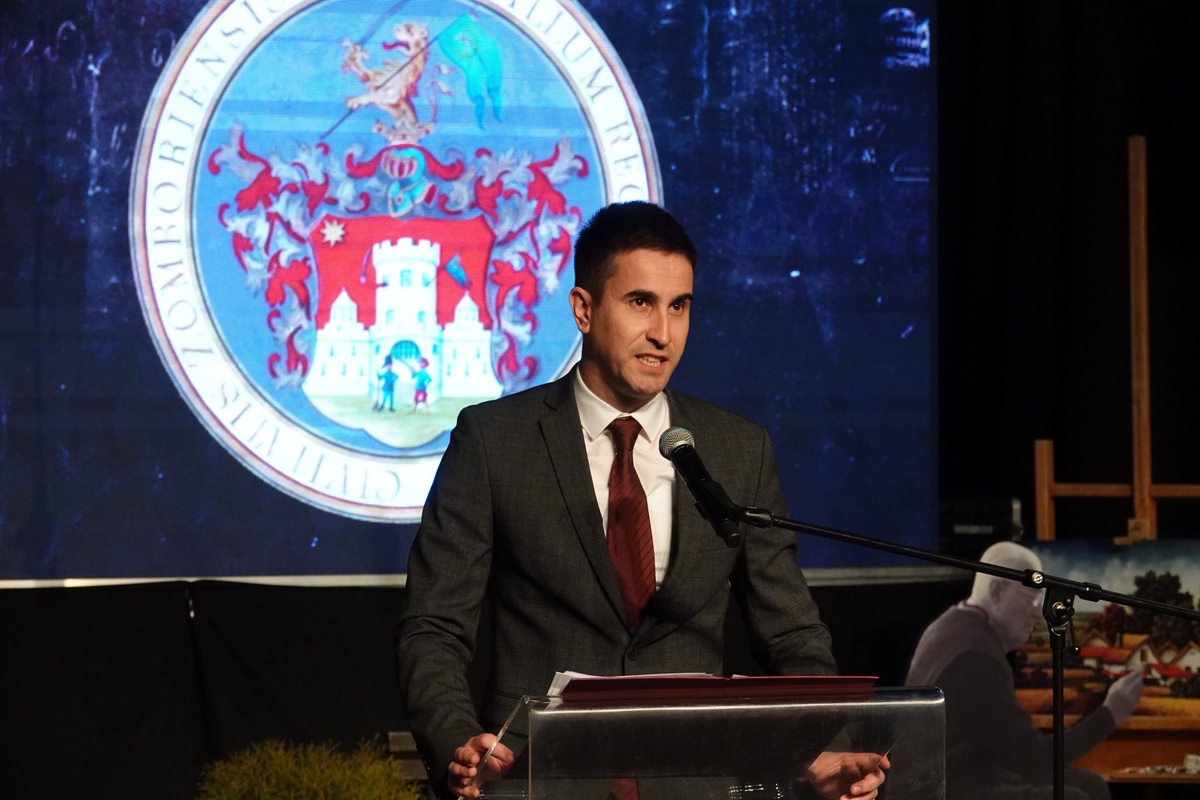
The mayor of Sombor, Antonio Ratković, in his address to those present at the ceremonial academy, spoke about the key projects for Sombor this year, particularly emphasizing the construction of a high-speed road. He also emphasized that the implementation of the “Clean Serbia” project is underway, which is expected to continue this year as well.

In Sombor, the works on the construction of the sewage network in Stanišić have been completed so far, while the construction of the network in Bezdan and Kolut is ongoing.