Vucevic in Leskovac: Projects for the sustainable future of the city

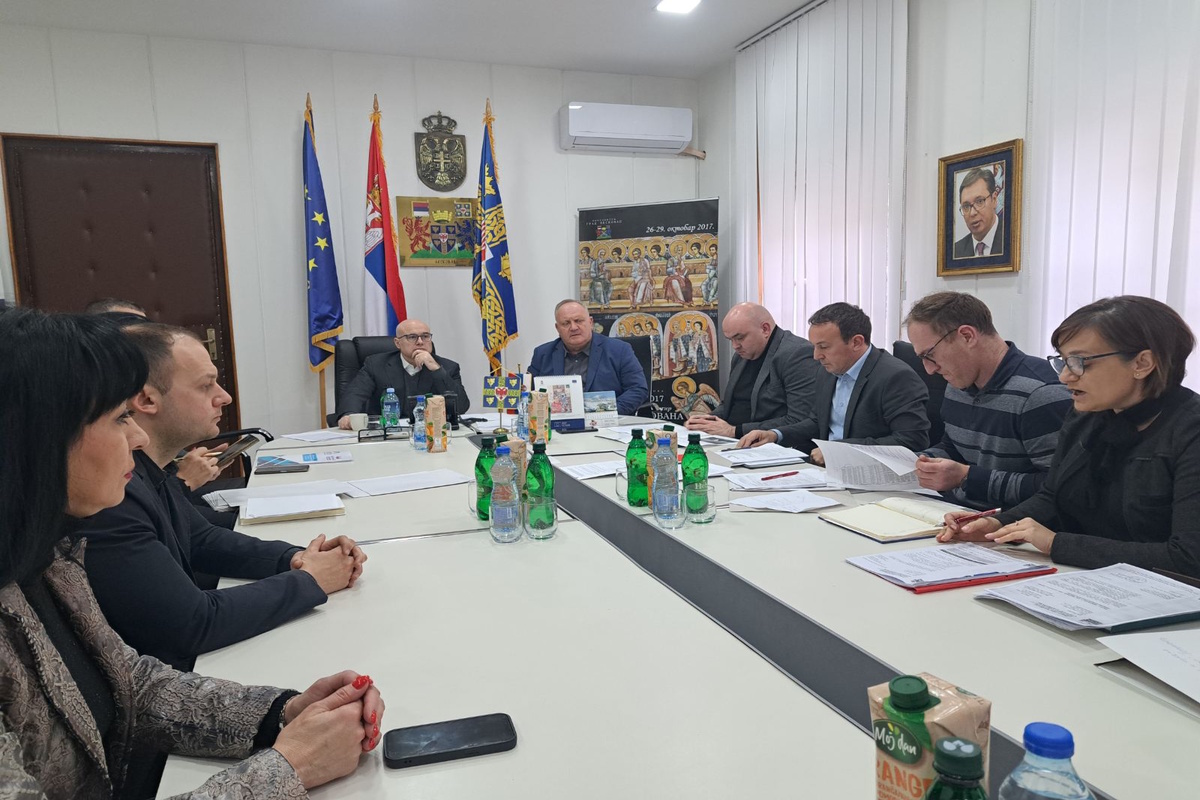
During his visit to Leskovac, the Prime Minister of the Republic of Serbia, Miloš Vučević, met with the mayor Dr. Sci. honey Goran Cvetanović and his colleagues to discuss key infrastructure projects, their improvement and future plans for the development of the city.

During the meeting, the realization of the started and planned projects was discussed, and a special focus was on the “Clean Serbia” project of the Government of the Republic of Serbia. Thanks to this project, a sewage network will be built in the settlements of Vinarce, Donje Stopanje, Vučje, Brza and Žabljane, which will significantly improve environmental standards in this area.

The project has a key role in improving the living conditions of citizens, protecting the environment and providing long-term sustainable communal infrastructure.
Academy in Sombor: Projects for the future “Clean Serbia”

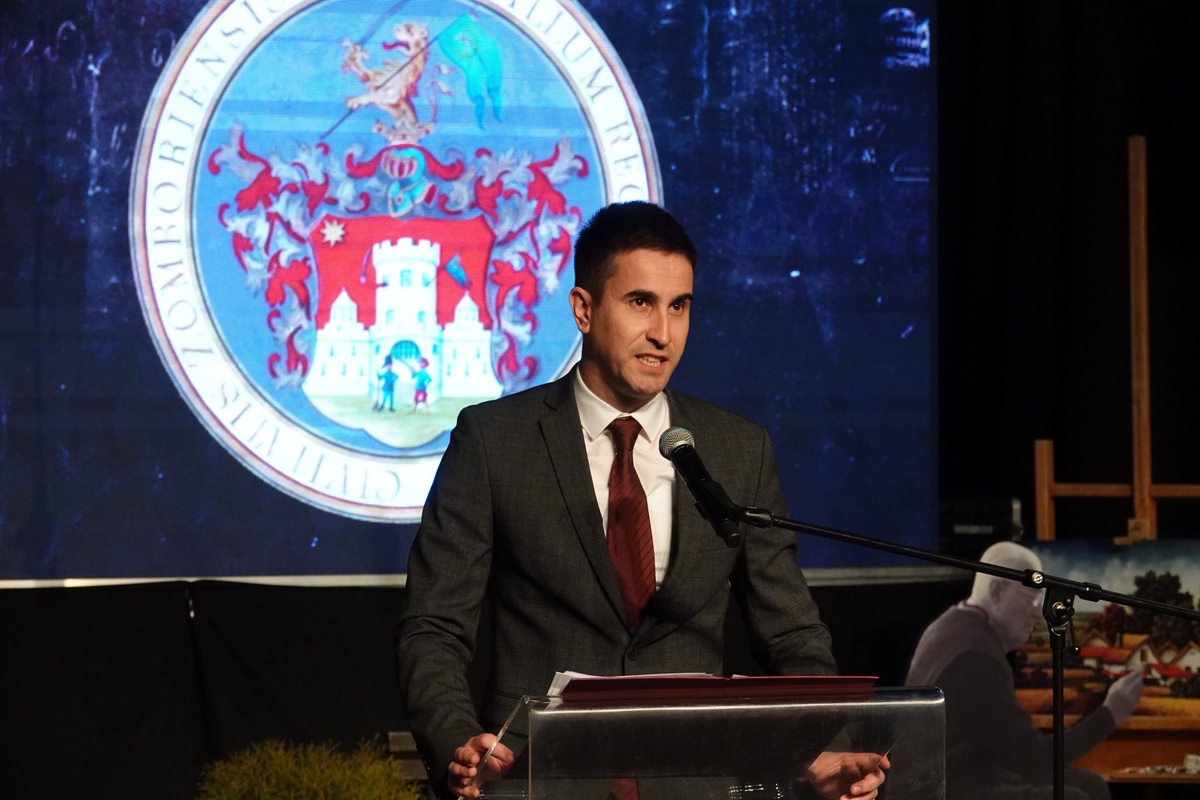
In the Great Hall of the “Laza Kostić” Cultural Center in Sombor, a formal academy was held under the name “From the center of the Chamber administration to a city with a vision – Sombor 1750-2025.” on the occasion of commemorating 276 years since Sombor was declared a free and royal city.

The mayor of Sombor, Antonio Ratković, in his address to those present at the ceremonial academy, spoke about the key projects for Sombor this year, particularly emphasizing the construction of a high-speed road. He also emphasized that the implementation of the “Clean Serbia” project is underway, which is expected to continue this year as well.

In Sombor, the works on the construction of the sewage network in Stanišić have been completed so far, while the construction of the network in Bezdan and Kolut is ongoing.

Waste water treatment: modern technologies and innovations

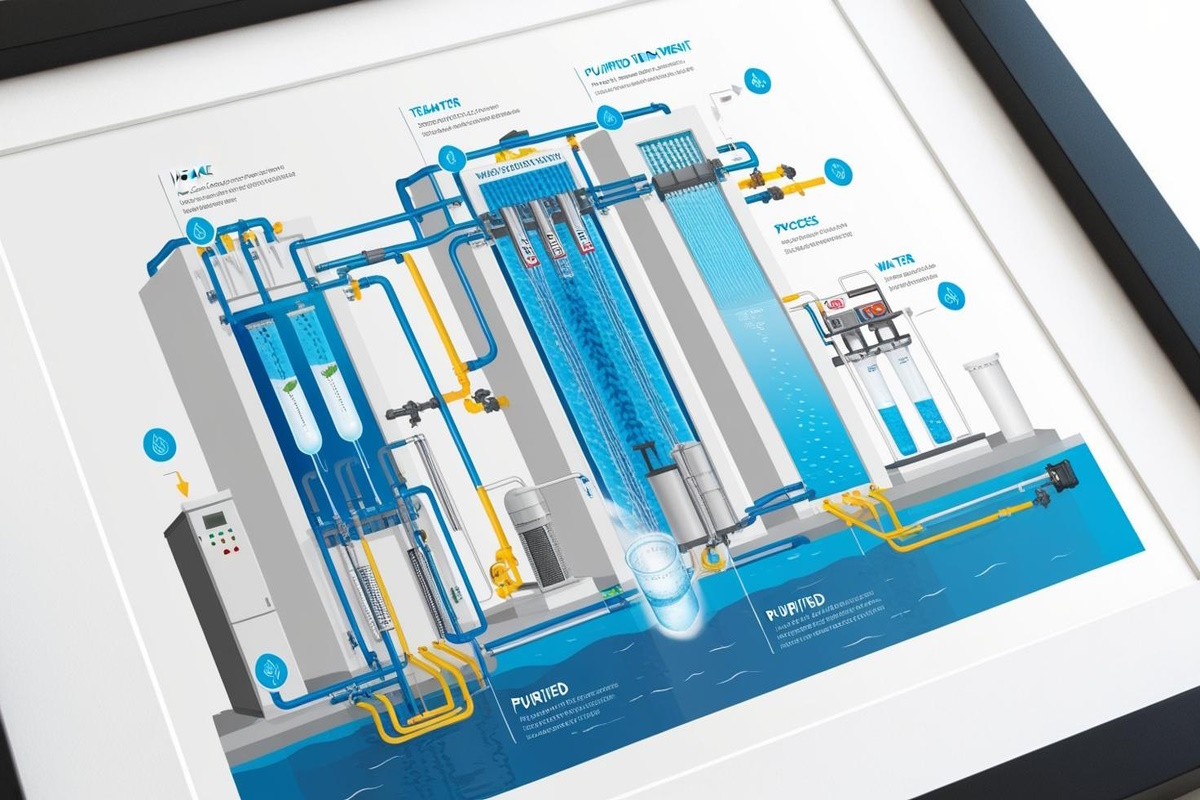
Wastewater treatment is a key process in preserving the environment and protecting water sources. In order to reduce pollution and ensure the high quality of purified water, various advanced technologies are used that improve the efficiency of pollutant removal. These technologies enable better treatment of industrial, municipal and agricultural wastewater, reduce environmental risks and ensure reuse of water for different purposes.

More and more wastewater treatment plants are implementing integrated approaches that combine different methods to achieve maximum efficiency.

• Internet ofThings (IoT) sensors enable monitoring of water quality in real time.

• Artificial intelligence (AI) helps optimize plant operations, reducing energy and chemical consumption.

• Membrane technologies such as nanofiltration and reverse osmosis improve water purification, enabling its reuse.

Advanced wastewater treatment methods play a key role in protecting water resources and preserving ecosystems. By combining innovative technologies, such as advanced oxidation processes, adsorption, biosorption and biological treatment, it is possible to significantly reduce the level of pollution and enable sustainable water use in the future. The integration of digital technologies further improves the efficiency and reliability of water treatment systems, making them ready for the challenges of modern times.

Kragujevac: Three plants – three solutions

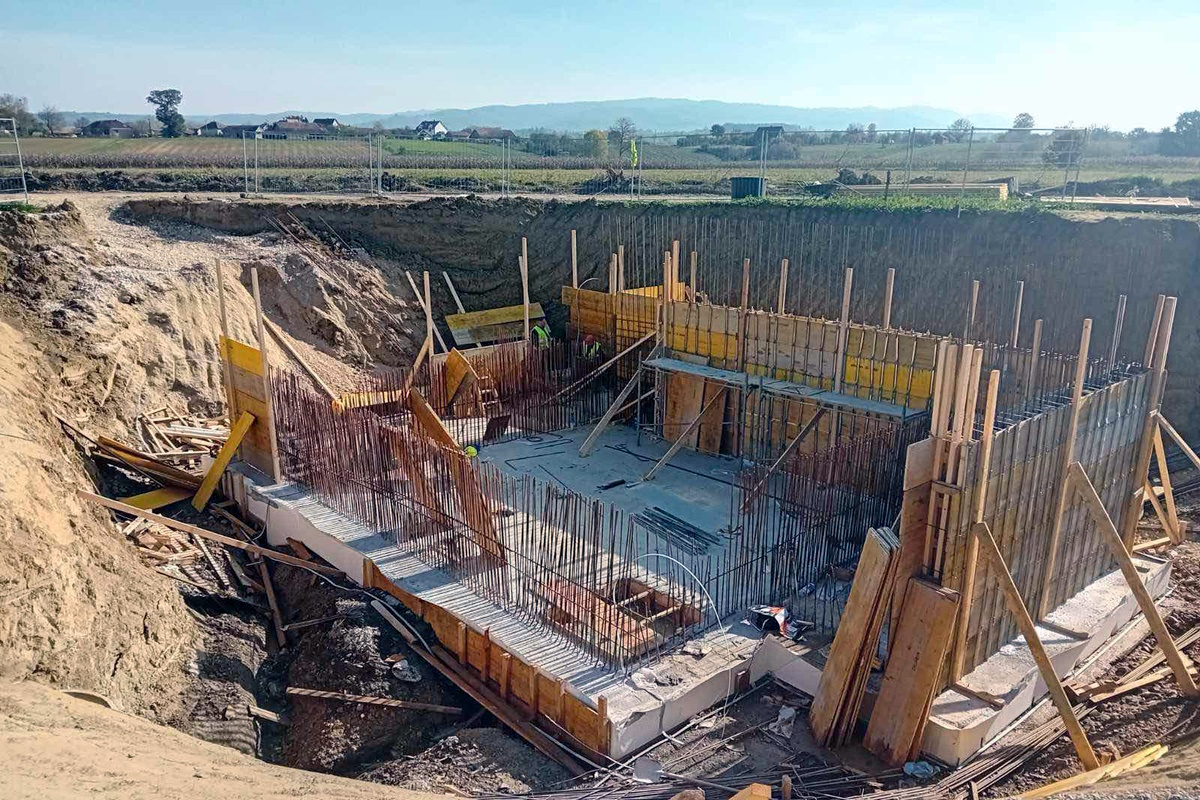
In  the construction of three wastewater treatment plants is underway. In accordance with the concept of the “Clean Serbia” project, which includes not only the construction of sewerage networks in order to preserve the environment, but also waste water treatment plants as a key part of river conservation, in Kragujevac-Knić, construction work on the construction of as many as three waste water treatment plants has begun at the Gruža, Knić 3 and Kusovac-Toponica locations.

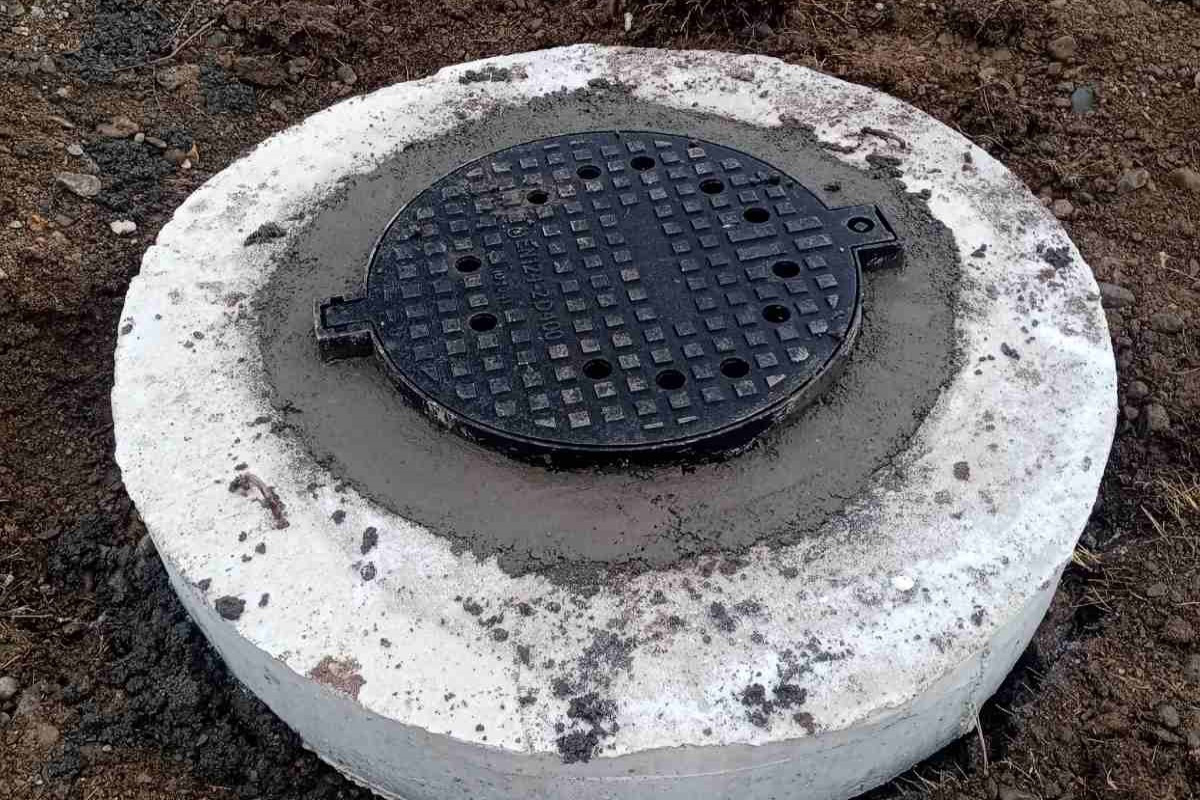
The construction of the plant was preceded by the construction of the sewage network in the mentioned settlements. Thus, in accordance with the project, a sewage network with a length of about 3.2 km was built in the settlement of Knić, while nearly 120 manholes were built along the entire length. In the settlement of Kusovac, the locals got about 4.2 km of sewage network with 184 manholes, while in Gruža, more than 13 km of sewage network has been completed so far.

With this project, Kragujevac-Knić lays the foundations for an ecologically sustainable future, improving the quality of life of citizens and contributing to the protection of rivers and nature. The construction of a wastewater treatment plant is not only an infrastructure undertaking, but also a key step towards a healthier environment and long-term conservation of water resources.

Trifunović: In Inđija, works are being carried out at four locations

Uroš Trifunović, director of the public company Inđija put, stated that the “Clean Serbia” project in Inđija is proceeding according to plan.

Trifunović says that all planned works are being carried out according to plan. “We are carrying out work on 4 construction sites, in Stevana Sremca Street, Bačka, and we are opening work in Prvomajska and two more streets,” Trifunović told Sremske Novine.

According to him, the works within the “Clean Serbia” project will then be continued in other streets where there is no sewage network.

Ratković: Continuation of the “Clean Serbia” project in Sombor

Antonio Ratković, the mayor of Sombor, announced the continuation of the “Clean Serbia” project for this year.

Highlighting significant projects in 2024, Ratković says: “We continued with the “Clean Serbia” project, through which we completed the construction of the sewage network in Stanišić, and we started the construction of the network in Bezdan and Kolut.”

In an interview for Somborske Novine, Ratković announced the further implementation of the “Clean Serbia” project. He stated that confirmation of this information also came from the relevant ministry.

“We will continue with the implementation of the “Clean Serbia” project until we build a sewage network in the entire territory under the authority of our city,” said Ratković.

Works on the expansion of the sewage network in Subotica

At the end of last year, works began in Subotica on the expansion of the sewage network as part of the “Clean Serbia” project.

The project includes the construction of a 110 km sewage network and two wastewater treatment plants in the suburban settlements of Bajmok and Cantavir. The first phase, worth 25.4 million euros, includes works in Subotica and the settlements of Prozivka, Balić and Bajmok, with a completion date of three years.

The project will improve the quality of life and environmental protection, and it is financed by the Republic of Serbia with a contractor from China, according to the report of RTV Vojvodina.

Despite the bad weather conditions, the works in Inđija are progressing

In Inđija, work on the implementation of the “Clean Serbia” project is still progressing, although the implementation is difficult due to weather conditions.

Works on the construction of the sewage network in Inđija are being carried out at three locations and are already nearing completion, so Vidovdanska Street is almost finished, while Bačka Street is still 150-200 meters away. Completion of the works in Bačka Street is expected in the next few weeks. The works have already been completed in Desanke Maksimović Street and Zmajeva Street.

After these works, it is planned to open new construction sites, including Prvomajska Street, Sava Kovačević and others. After the completion of the works in India, the implementation of the project will continue in Beška.

The municipality of Bogatić secured construction permits

The President of Bogatić Municipality, Milan Damnjanović, in an interview for “Glas Podrinja” stated that this municipality secured the missing permits for the start of the implementation of the “Clean Serbia” project.

Damnjanović told “Glas Podrinja” that several important projects in this municipality have already been fully implemented, but also that the larger projects that have been started and whose implementation requires a longer period of time are equally important.

“The most important thing is that we secured a building permit for the start of the “Clean Serbia” project, i.e. for the construction of 210 kilometers of sewage network through the municipality, the value of which is 30 million euros,” said Damnjanović.

Photo: Municipality of Bogatić-Milan Damnjanović

Jovanović: 37 km of sewage network in Kragujevac

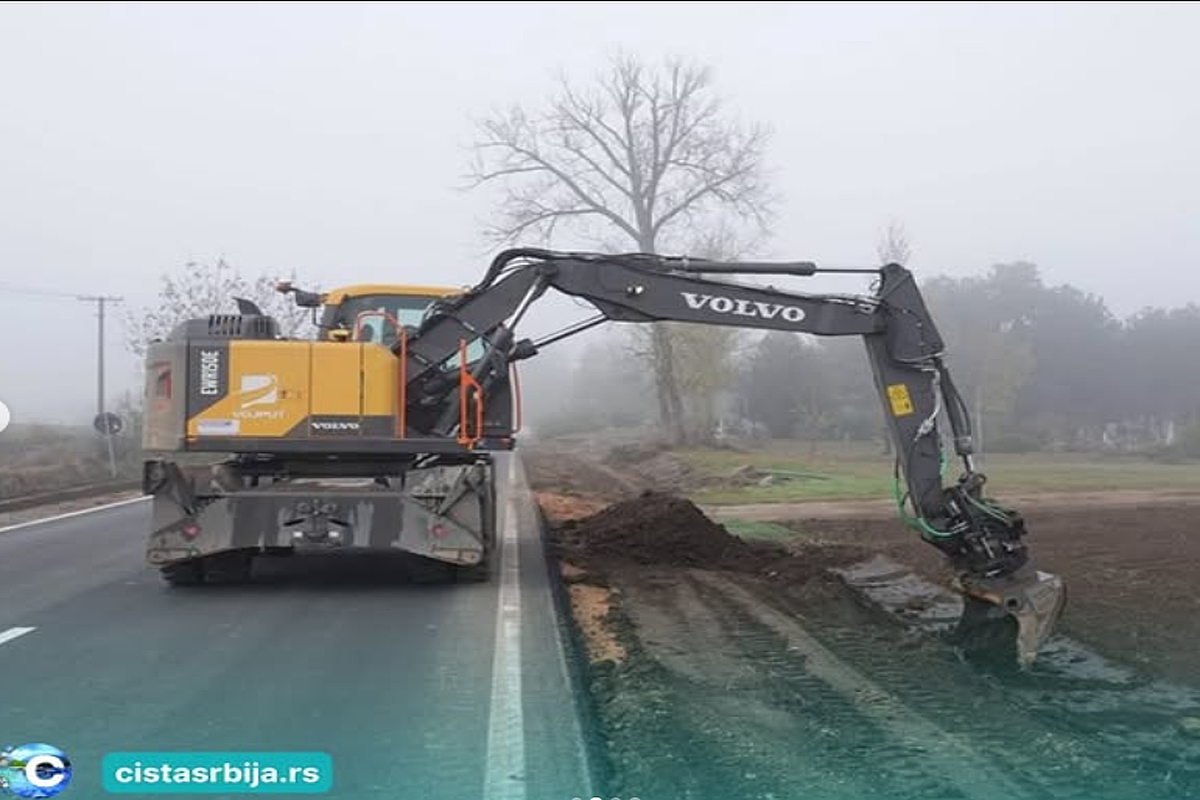
As part of the “Clean Serbia” project, in the coming days, work will be carried out on the construction of the missing sewage network at the excavation in Neretvljanska Street and Milivoja Milentijevića Street, Beloševac settlement, announced the City Administration of Kragujevac.

Stefan Jovanović, a member of the City Council in Kragujevac, tells InfoKG that 37 km of sewage network have been built in Kragujevac so far.

“In order to improve the water and sewer network, water and sewer lines and connections were built in the length of 9,859 meters, for which funds in the amount of over 275,000,000 dinars were spent. The procedure for the construction and reconstruction of lines and connections in the length of 2,745 meters has been started. As part of the “Clean Serbia” project, 37 kilometers of sewage network have been built to date,” said Jovanović.