
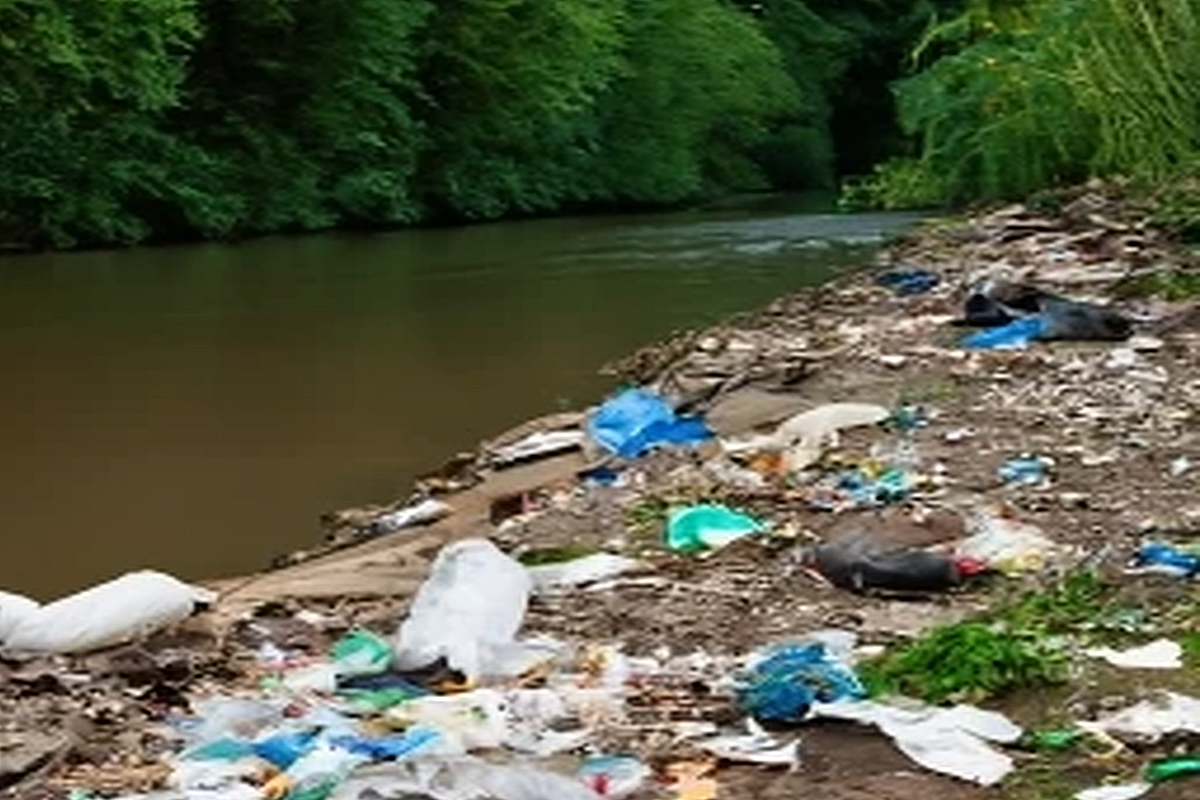
River pollution: An ecological challenge every summer

As the days get warmer, for many, summer means spending time by rivers and lakes. However, we are often witnesses to the pollution of rivers and shores through improper waste disposal, the use of chemicals in the water, and increased human activity that threatens natural ecosystems.

People seeking shade and protection from the summer heat by rivers often bring items with them for their stay but fail to remove them when they leave. These items, including packaging, plastic bottles, paper bags, and other objects, often end up in rivers, polluting the water and threatening ecosystems. This waste, including plastic, glass, and metal, not only makes water resources less clean, but it can also be deadly for aquatic organisms. Moreover, plastic waste decomposes very slowly, and during this process, it can break down into microscopic particles that pollute the water and enter the food chain, directly affecting human health.

It is not uncommon for visitors to use shampoos, bath products, and other hygiene products while by the river, but they often forget to clean and dispose of them properly, causing chemicals from these products to enter the water. These chemicals can accumulate in the water, jeopardizing water quality and the health of all organisms that depend on it, including humans. In the long run, this can lead to reduced biodiversity, a decline in fish and other aquatic species, and can also negatively affect the quality of the water we drink.

River and shore pollution is becoming a serious ecological problem that requires urgent attention and responsibility from all of us, in order to preserve natural resources for future generations. Rivers and lakes are natural allies of humans in hot summer days, providing refreshment, shade, and refuge from high temperatures. However, in order for these water resources to remain a source of benefit and enjoyment, it is important to protect them from pollution and irresponsible behavior.

Do not throw plastic into rivers or on their banks

No one knows the precise data on how much plastic packaging ends up in waterways in Serbia every year. It takes dozens or even hundreds of years to decompose one plastic bag. However, a plastic bag in water can break down into microplastics that can eventually end up in the human diet.

Careless disposal of waste by rivers is not new in Serbia, and waste very often ends up in the rivers themselves. Most of the waste that ends up in the water is plastic.

The available data show that it practically never disappears completely, but also passes into the state of microplastics during decomposition.

Plastic packaging can contain certain chemicals, such as bisphenols, phthalates and other additives, which can migrate from the packaging into the water or other products it contains. These chemicals can potentially have negative effects on human health if they end up in drinking water.

Of particular concern is the fact that indicates that the known methods of water purification in plants are not adequate when it comes to microplastics, i.e. microplastics can go through the processes of sedimentation and filtration in water purification plants, and eventually end up in the water discharged into rivers from where can be used for water supply.

At the same time, there can also be contamination of groundwater with microplastics, which directly affects water intakes and sources of drinking water.

In order to reduce the negative impact of plastic packaging on water quality, it is important to take appropriate measures for plastic management. These include reducing the use of single-use plastics, promoting recycling, proper waste disposal, and developing innovative packaging materials that are less harmful to the environment and human health. It is also important to conduct impact research plastic to water and work on regulations that will protect water resources from plastic pollution.