Eutrophication is becoming a threat to ecosystems

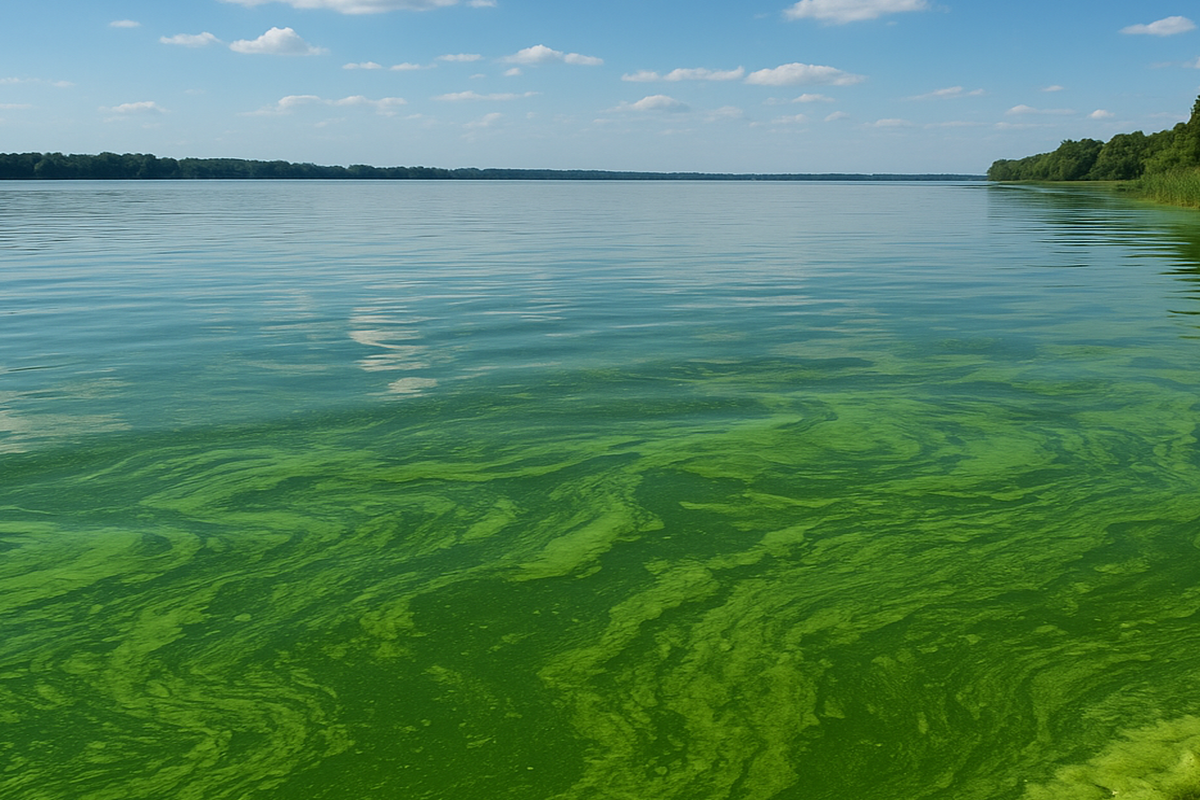
In some lakes and rivers in Serbia, the process of eutrophication is evident. This process occurs most often due to the absence of sewage systems and wastewater treatment processes.

Eutrophication occurs when water becomes overly enriched with nutrients, primarily nitrogen and phosphorus. These nutrients come from:
• Wastewater (domestic and industrial)
• Agricultural fertilizers (runoff from fields)
• Detergents and other chemicals

This process manifests as excessive growth of algae and aquatic plants (so-called “algal blooms”), a decrease in oxygen levels in the water when algae die and begin to decompose, the appearance of unpleasant odors, and turbid water.

The consequences of eutrophication are: the death of fish and other aquatic organisms due to lack of oxygen, reduction of biodiversity (variety of species), changes in the chemical composition of water, which makes its use for drinking, recreation, or irrigation more difficult.

According to available information, lakes with evident eutrophication in Serbia include Palić and Ludaš, Međuvršje, the Zobnatica reservoir, and some others.

The United Nations Environment Programme (UNEP), which studies challenges related to phosphorus pollution and its impacts on biodiversity and ecosystems, particularly highlights eutrophication of aquatic systems as a growing problem. “Globally, phosphorus losses from land to freshwater have doubled in the last century and continue to rise. Despite significant efforts to reduce nutrient pollution,” the program states.

Phosphorus was discovered more than 350 years ago and is an essential nutrient that helps plants grow. Its primary use is in the production of synthetic fertilizers to increase crop yields, making it crucial for food security. Phosphorus is also a key component of animal feed and is used in steel production, food additives, batteries for electric vehicles, certain pesticides, and household cleaning products.

The UN does not rule out the continued use of phosphorus but emphasizes that the key is to use it more sustainably and prevent excessive amounts from entering the environment.

“Wastewater releases about 3 million tons of phosphorus into the environment worldwide each year. Proper treatment could reduce phosphorus and nitrogen concentrations in wastewater by at least 80%. Solutions will require innovations—not only in technology but also in operational methods and cooperation between sectors that have traditionally not collaborated,” states the UNEP website.
World environment day focused on plastic pollution

World Environment Day is celebrated every year around the globe to raise awareness of environmental issues and to encourage more responsible environmental protection. For 2025, the theme is “Solutions to Plastic Pollution”, and the host country will be Ivory Coast, specifically the city of Abidjan.

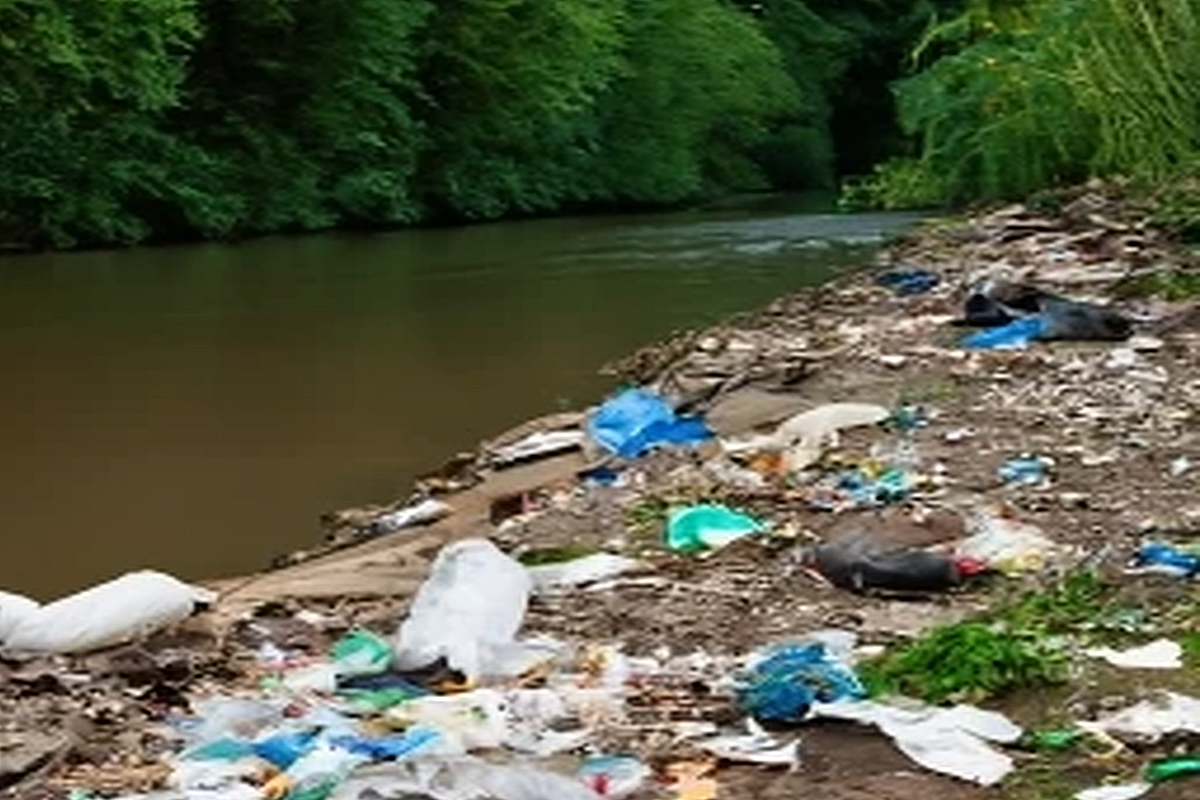
Pollution of rivers and lakes is a serious environmental problem in Serbia as well. Many watercourses are contaminated with plastic waste – from packaging, bags, and bottles, to microplastics that disrupt ecosystems and endanger both plant and animal life. Plastic from water sources enters the food chain, which in the long term has consequences for human health as well.

That is why one of the main goals of the national project “Clean Serbia” is not only the construction of modern utility infrastructure – sewage networks and wastewater treatment plants – but also raising public awareness of the importance of protecting nature and managing waste responsibly.

The project reminds us that the preservation of rivers, lakes, and groundwater is not a task completed solely by building pipelines and treatment plants, but also by changing behavior – from proper waste disposal to avoiding single-use plastics. The participation of local communities, educational institutions, and individuals is crucial to the success of these efforts.

In the context of this year’s global theme – “Solutions to Plastic Pollution” – it is important to emphasize that Serbia, through initiatives such as “Clean Serbia,” is taking concrete steps toward a healthier and more sustainable environment.


River pollution: An ecological challenge every summer

As the days get warmer, for many, summer means spending time by rivers and lakes. However, we are often witnesses to the pollution of rivers and shores through improper waste disposal, the use of chemicals in the water, and increased human activity that threatens natural ecosystems.

People seeking shade and protection from the summer heat by rivers often bring items with them for their stay but fail to remove them when they leave. These items, including packaging, plastic bottles, paper bags, and other objects, often end up in rivers, polluting the water and threatening ecosystems. This waste, including plastic, glass, and metal, not only makes water resources less clean, but it can also be deadly for aquatic organisms. Moreover, plastic waste decomposes very slowly, and during this process, it can break down into microscopic particles that pollute the water and enter the food chain, directly affecting human health.

It is not uncommon for visitors to use shampoos, bath products, and other hygiene products while by the river, but they often forget to clean and dispose of them properly, causing chemicals from these products to enter the water. These chemicals can accumulate in the water, jeopardizing water quality and the health of all organisms that depend on it, including humans. In the long run, this can lead to reduced biodiversity, a decline in fish and other aquatic species, and can also negatively affect the quality of the water we drink.

River and shore pollution is becoming a serious ecological problem that requires urgent attention and responsibility from all of us, in order to preserve natural resources for future generations. Rivers and lakes are natural allies of humans in hot summer days, providing refreshment, shade, and refuge from high temperatures. However, in order for these water resources to remain a source of benefit and enjoyment, it is important to protect them from pollution and irresponsible behavior.

The “Clean Serbia” project is also a solution for the Danube and Sava

RTS reports that Austria and Hungary take care of the water quality in the Danube, but also the words of Sandra Dokić, State Secretary in the Ministry of Environmental Protection of Serbia, who stated that with the “Clean Serbia” project, Belgrade is also planning to build new facilities so that wastewater no longer goes to Danube and Sava.

European countries invest significantly more funds in the processing of wastewater, and with the treatment and protection itself, experts admit, they started much earlier than Serbia.

As reported by RTS, good examples are Austria, Germany, Luxembourg and The Netherlands, which treat 100 percent of their municipal wastewater. In addition to protecting the environment, often by processing waste water, they also provide part of the city’s energy for electricity and heating.

When it comes to the Danube River, Austria and Hungary are making sure that good quality water reaches Serbia.

“The quality of surface water in Austria is generally of good quality. Somewhere around 40 percent of surface waters are of very good and good quality, 30 percent are of moderate quality, 10 percent are unsatisfactory, and only four percent are of poor quality. And the Danube in Austria is of good quality, we have a lot of bathers here during the summer,” Dr. Bogdanka Radetić from the Austrian Environmental Protection Agency told RTS.

In Hungary, 53 percent of waste water is treated in accordance with the legislation of the European Union. “The purified water discharged into the Danube is analyzed regularly,” Laszlo Debreceni, director of the Budapest waterworks “Vizmuvek”, confirmed for RTS.

In the process of accession to the European Union, Serbia needs to fulfill the requirements from Chapter 27 that relate to the environment, and there are also standards that relate to the treatment of municipal waste water.

“In the coming period, what we need to do is to have 359 operational, functional waste water processing facilities and constructed or reconstructed sewage network. I can say that at the moment we have four billion for this area, and three billion from the Chinese loan. This is for the “Clean Serbia” program, which, in addition to the plants and sewers, should also build certain regional centers for waste management,” she said.

Sandra Dokić, who as an example of Belgrade’s intention to maintain the quality of water in the Danube at a satisfactory level, cited the preparation of project and technical documentation for the plant in Veliko Selo.

Vesić: Serbia not utilising its rivers enough

The Minister of Construction, Transport and Infrastructure Goran Vesic has said that Serbia does not utilise its rivers enough and that we had been acting as if we do not have that many kilometers of river coasts, pointing out that his Ministry is putting in efforts to better utilise our rivers in the future.

Among other things, he has stated that in Belgrade, within the scope of work that his Ministry is competent for, two new wastewater treatment factories will be built.

“The construction of one of the factories has begun, in Veliko selo, and we will also be building in Batajnica” Vesic said.

That will undo more than 90 per cent of all effluents that we have had in the rivers Danube and Sava, the Minister said and added that every year, the amount of discharged wastewater in Belgrade is in the size of 60,000 Olympic swimming pools.

“We should work together so that our rivers could become not only our treasure, but also a potential for our development, and on the other hand an attraction for more tourists and promotion of our country” Vesic stated.

Waste on shores endangers rivers and nature around them

The data which shows that on the shores of Serbian rivers, illegal landfills are forming is alarming. Intentionally disposed of waste subsequently ends up in the rivers‘ course.

Oil and grease packaging, automobile tires, creosote packaging and that of other poisonous substances, household waste and construction waste all often end up on river coast. Even though it is hard to imagine someone just dumping their waste on the river shore, that is in fact a very common picture in river forelands. The waste is most commonly disposed of in places where it is easy to access the river and its coast by car or some other freight vehicle.

Such waste often ends up in the rivers themselves, and the authorities claim that this phenomenon could be prevented with strong inspection, but also by educating the citizens.

The waste that is in the forelands of the rivers primarily endangers the very nature around the river, negatively impacts both the flora and the fauna, and by the same token, distorts the image of the shore so such places, instead of being suitable for the development of tourism or recreation of citizens, mostly become places which are widely bypassed.

Due to heavy rains and land erosion, the waste which ends up in the river course inevitably jeopardizes both the flora and the fauna of the rivers, negatively impacts the quality of water, so many rivers become polluted beyond what is treatable and re-usable. It is not a rare occurance for the operation of hydro power plants to be jeopardized due to the waste flowing in the rivers.

On the frequency of the landfill occurence on river shores testifies a crushing, at the time published data that on the shores of the Morava River, there is an illegal landfill every 200 to 300 meters of the coast. The case is similar for many other rivers.

Rivers and lakes in Serbia are something we are most often proud of, so this kind of image sends a very bad message to all younger generations, but to ourselves as well, because it testifies to a negligent and irresponsible relationship towards the nature that surrounds us.

The “Clean Serbia“ Project is currently building sewage networks which drain all the polluted waters and wastewaters towards the wastewater treatment plants so such wastewater does not end up in the river course. Equal responsibility falls on the citizens themselves, to report the inappropriate disposal of waste to the authorities, but mostly to show their immediate surroundings, by setting a positive example, how to preserve the rivers.

Without water, there is no life, so we have to react before it is too late!