
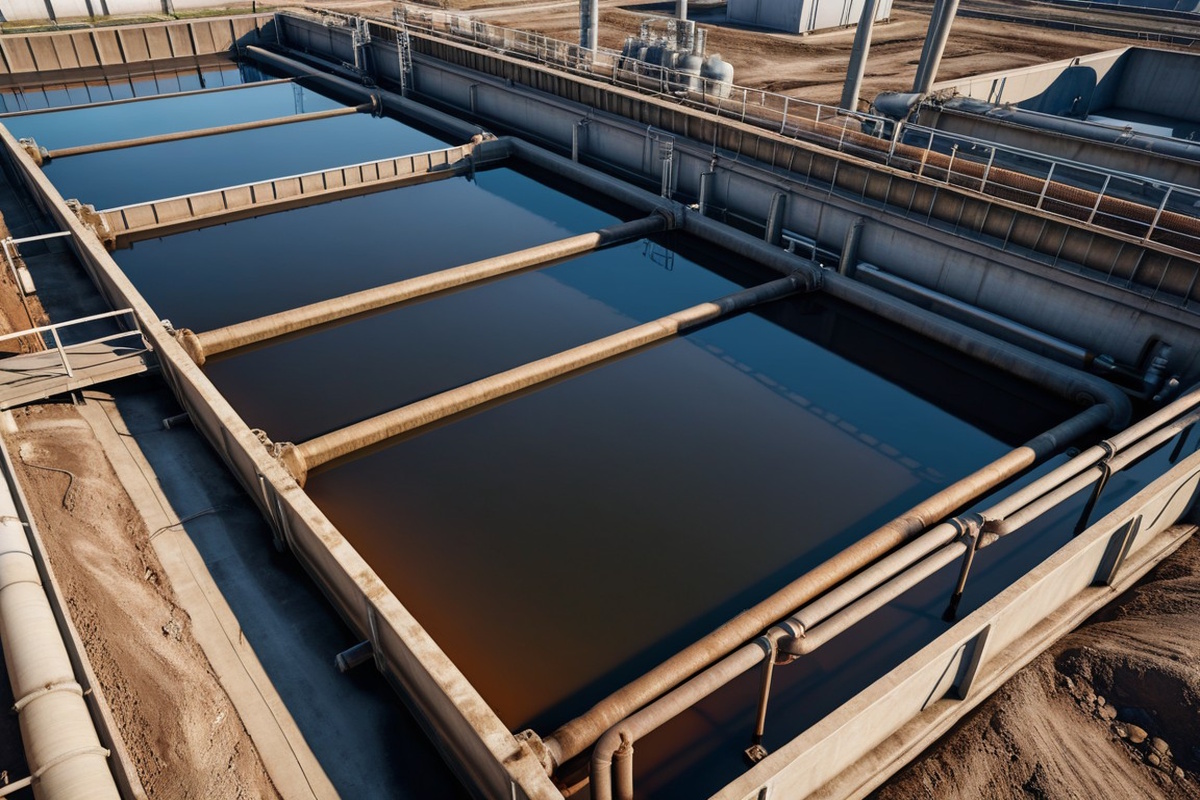
In 2024, a total of 30 million m³ of water from the industrial sector was treated, of which 56.2% underwent primary treatment, 22.5% secondary treatment, and 21.3% tertiary treatment, according to official data from the Statistical Office.
Data from the Republic Statistical Office show that in 2024, 4,026 million m³ of water was used in industrial sectors, which is 0.2% more compared to 2023.
In 2024, 4,026 million m³ of water was used in industrial sectors, which is 0.2% more compared to 2023.
Of the total 4,026 million m³ of water withdrawn in industrial sectors, 99.6% consists of water from own water intakes (98.7% surface water and 0.9% groundwater), and 0.4% from the public water supply.
Water used for industrial needs in 2024, observed by sectors and compared to the previous year, recorded the following trends: Mining – an increase of 39.4%, Manufacturing industry – a decrease of 4.4%, and Supply of electricity, gas, and steam – an increase of 0.1%.
Of the total water used in industry, 97.4% is used in the supply of electricity, gas, and steam, 1.9% in manufacturing, and 0.7% in mining.
Of the total 112 million m³ of industrial wastewater, 41.0% consists of water discharged from the Supply of electricity, gas, and steam sector, 36.6% from the Manufacturing industry sector, and 22.4% from the Mining sector.
In 2024, a total of 30 million m³ of water was treated, of which 56.2% by primary treatment, 22.5% by secondary treatment, and 21.3% by tertiary treatment. The largest share of treated water in the industrial sector belongs to the Basic metals production area – 16.8%, followed by Food product manufacturing – 16.2%, Chemical and chemical products manufacturing – 15.0%, and Paper and paper products manufacturing – 11.0%. All other industrial sector areas account for 41.0% of treated water, according to the Statistical Office report.
Author: administrator
The “Clean Serbia” project in the mayor of Vranje’s report
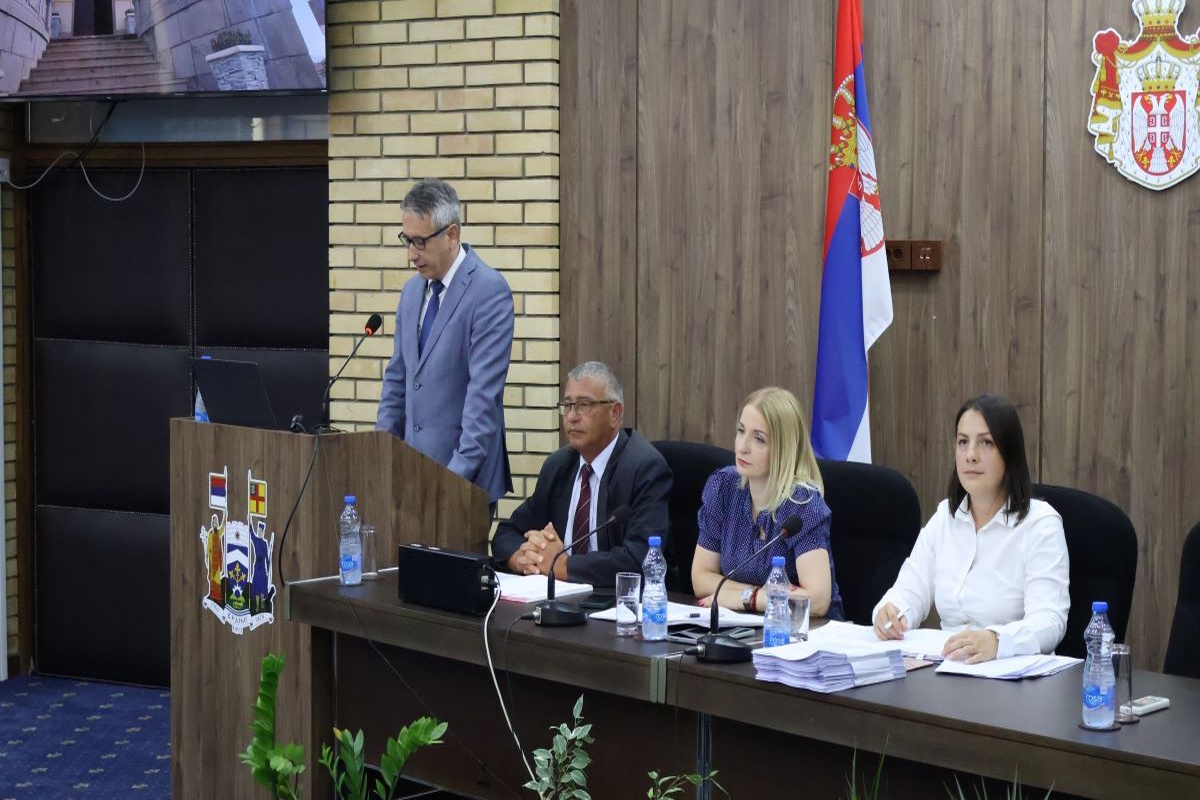
In his annual report, the Mayor of Vranje, Slobodan Milenković, listed numerous infrastructure projects, including the “Clean Serbia” initiative.
At the 13th session of the City Assembly, chaired by Zorica Jović, the reports on the work of the Mayor and the City Council for the year 2024 were reviewed and adopted. These reports were presented by Dr. Slobodan Milenković, Mayor of Vranje.
“The construction and reconstruction of the water supply and sewage network continued, and as part of the ‘Clean Serbia’ project, in cooperation with the Ministry of Construction, Transport and Infrastructure, work progressed and communal sewage infrastructure was built in many streets, both in urban areas and rural communities,” stated Milenković in the report.
The report highlighted that the works covered both urban and rural areas.
photo: City of Vranje
World environment day focused on plastic pollution
World Environment Day is celebrated every year around the globe to raise awareness of environmental issues and to encourage more responsible environmental protection. For 2025, the theme is “Solutions to Plastic Pollution”, and the host country will be Ivory Coast, specifically the city of Abidjan.
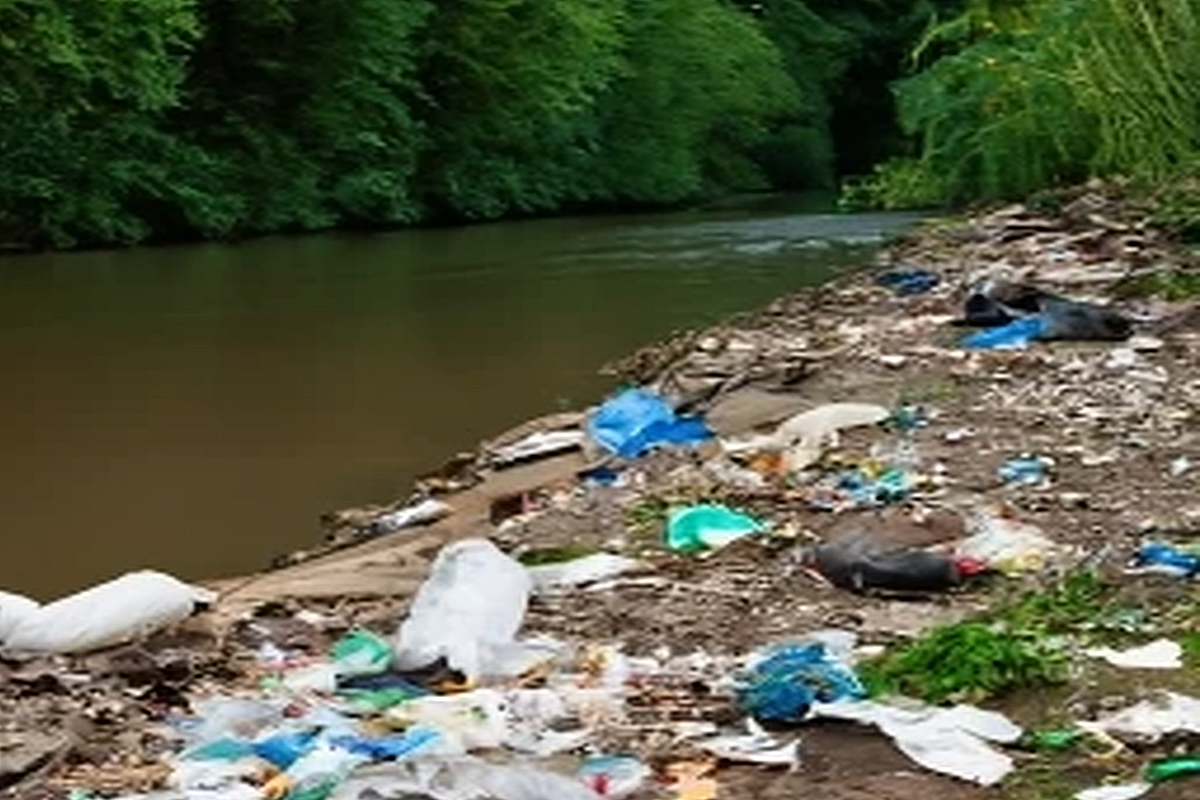
Pollution of rivers and lakes is a serious environmental problem in Serbia as well. Many watercourses are contaminated with plastic waste – from packaging, bags, and bottles, to microplastics that disrupt ecosystems and endanger both plant and animal life. Plastic from water sources enters the food chain, which in the long term has consequences for human health as well.
That is why one of the main goals of the national project “Clean Serbia” is not only the construction of modern utility infrastructure – sewage networks and wastewater treatment plants – but also raising public awareness of the importance of protecting nature and managing waste responsibly.
The project reminds us that the preservation of rivers, lakes, and groundwater is not a task completed solely by building pipelines and treatment plants, but also by changing behavior – from proper waste disposal to avoiding single-use plastics. The participation of local communities, educational institutions, and individuals is crucial to the success of these efforts.
In the context of this year’s global theme – “Solutions to Plastic Pollution” – it is important to emphasize that Serbia, through initiatives such as “Clean Serbia,” is taking concrete steps toward a healthier and more sustainable environment.
Clean Serbia: Works in the willage of Varvarin in final phase
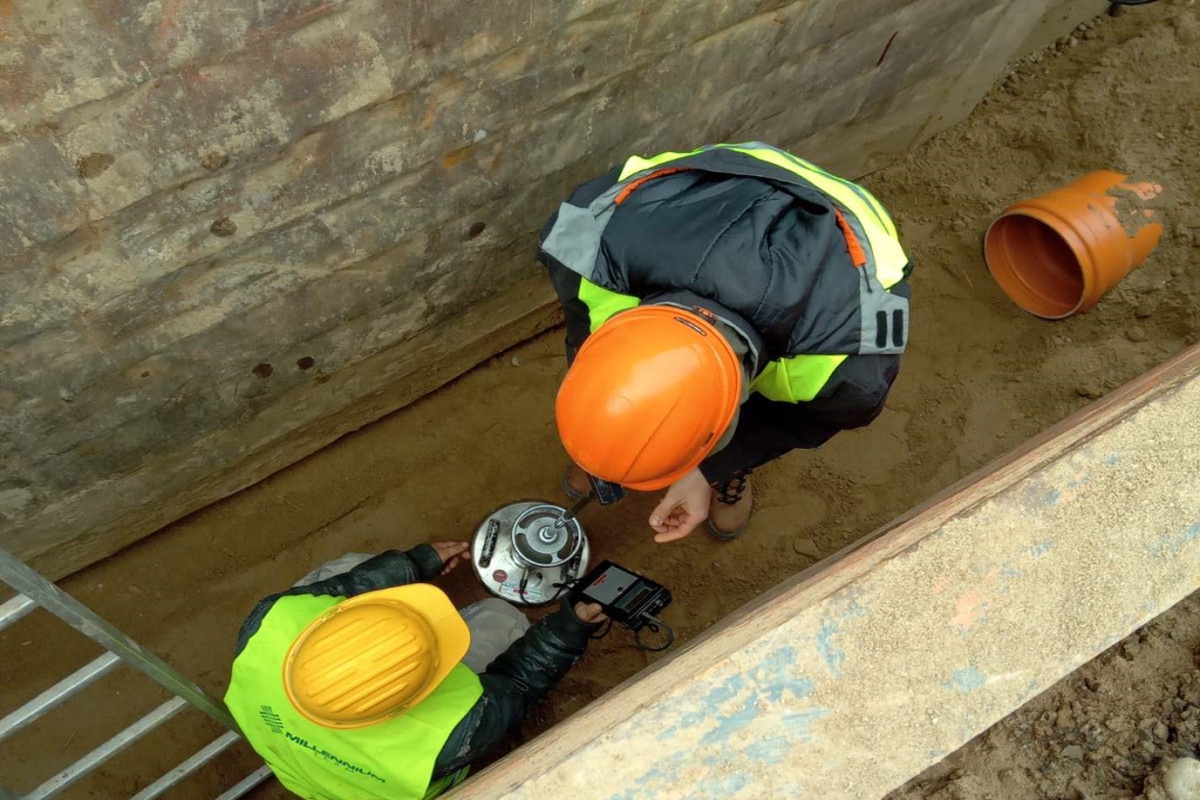
Important infrastructure works are currently underway in the village of Varvarin, aiming to improve living conditions and enhance municipal infrastructure. A total of 880 meters of road has been paved—510 meters in Nikola Tesla Street and 370 meters in Aleksandar Ranković Street, reports krusevacgrad.rs.
In addition to road infrastructure improvements, the municipality of Varvarin is also implementing the construction of a 45-kilometer-long sewage network, as well as the installation of a wastewater treatment separator. These projects are part of a broader initiative focused on environmental protection and the improvement of sanitary conditions.
The works were visited by the President of the Municipality, Dr. Violeta Lutovac Đurđević, her Deputy Aleksandar Pavić, and Assistant Nemanja Čolić, who stated that once the sewage network is completed, all streets damaged during the construction will be fully reconstructed, and regional roads will also be addressed.
Works under the “Clean Serbia” project in full swing in Bajmok
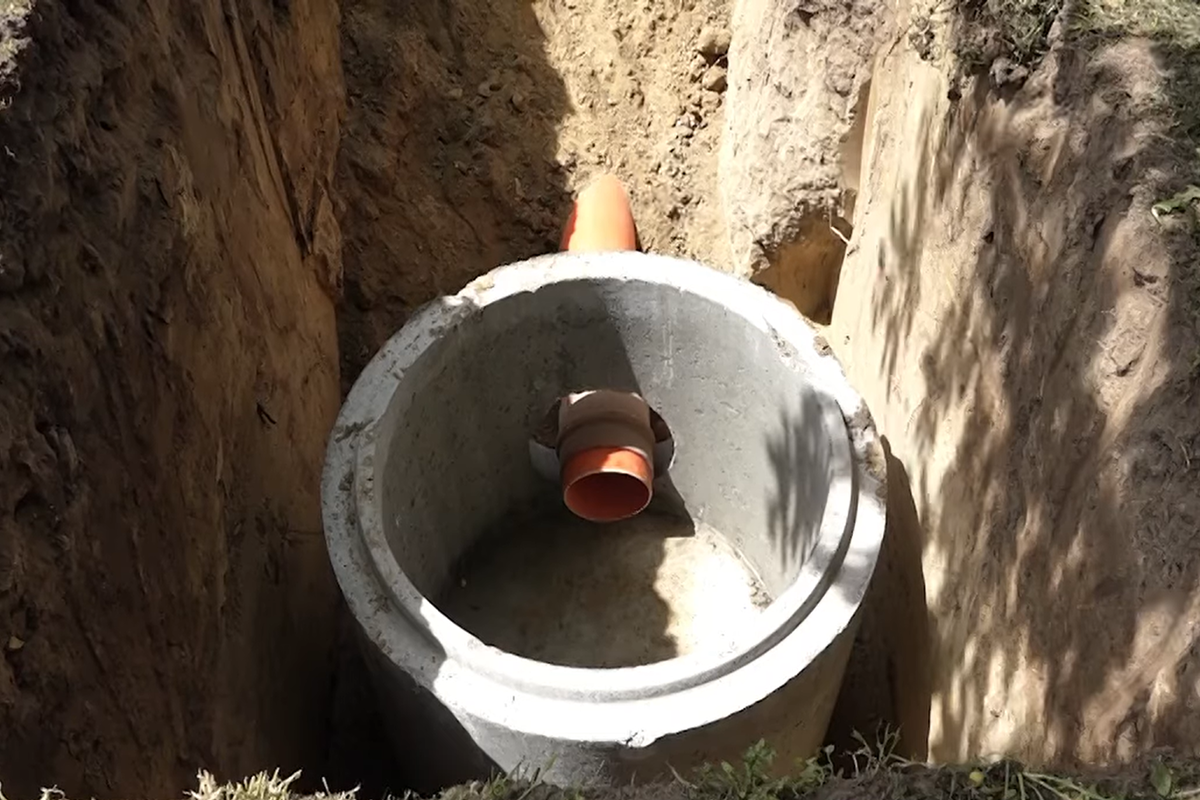
Works under the “Clean Serbia” project are well underway in Bajmok, where they began in February. Currently, construction is taking place in the Rata area as well as on the road towards Pačir, reports the portal vojvodjanski.com.
Radoslav Vukelić, Secretary of the Secretariat for Communal Affairs, Energy, and Transport, stated that the works initially started at the corner of Trumbićeva and Omladinska streets.
– In line with the plan, the works then continued along the road towards Pačir. At the same time, another team began work at a second location, in the Rata area. The implementation is proceeding according to a dynamic plan defined by the contractors and supervising authorities. So far, around 4 kilometers of the planned 26-kilometer sewage network have been constructed – explained Vukelić for vojvodjanski.com.
At the end of last year, construction also began in Aleksandrovo. The Mayor of Subotica, Stevan Bakić, emphasized that the project documentation for the construction of the sewage network has been completed for the City of Subotica and the settlements of Palić, Bajmok, and Čantavir, while documentation for wastewater treatment plants in Bajmok and Čantavir is still in progress.
Gašić: Sewer system in Beška coming soon, works proceeding as planned

The President of the Municipality of Inđija, Marko Gašić, announced the continuation of works within the “Clean Serbia” project. As he stated, the construction of the sewer network in Beška is planned for the coming period.
Following a meeting of the “System 48” in the Municipality of Inđija, Gašić noted that the works under the “Clean Serbia” project are progressing according to the planned schedule.
“The works are proceeding as planned – they are currently being carried out in Novosadska Street in Inđija, and construction of the sewer system in Beška will begin soon,” Gašić said.
It is worth recalling that Gašić has repeatedly emphasized in earlier statements that the “Clean Serbia” project contributes to environmental protection in the municipality.
River pollution: An ecological challenge every summer
As the days get warmer, for many, summer means spending time by rivers and lakes. However, we are often witnesses to the pollution of rivers and shores through improper waste disposal, the use of chemicals in the water, and increased human activity that threatens natural ecosystems.
People seeking shade and protection from the summer heat by rivers often bring items with them for their stay but fail to remove them when they leave. These items, including packaging, plastic bottles, paper bags, and other objects, often end up in rivers, polluting the water and threatening ecosystems. This waste, including plastic, glass, and metal, not only makes water resources less clean, but it can also be deadly for aquatic organisms. Moreover, plastic waste decomposes very slowly, and during this process, it can break down into microscopic particles that pollute the water and enter the food chain, directly affecting human health.
It is not uncommon for visitors to use shampoos, bath products, and other hygiene products while by the river, but they often forget to clean and dispose of them properly, causing chemicals from these products to enter the water. These chemicals can accumulate in the water, jeopardizing water quality and the health of all organisms that depend on it, including humans. In the long run, this can lead to reduced biodiversity, a decline in fish and other aquatic species, and can also negatively affect the quality of the water we drink.
River and shore pollution is becoming a serious ecological problem that requires urgent attention and responsibility from all of us, in order to preserve natural resources for future generations. Rivers and lakes are natural allies of humans in hot summer days, providing refreshment, shade, and refuge from high temperatures. However, in order for these water resources to remain a source of benefit and enjoyment, it is important to protect them from pollution and irresponsible behavior.
Green engineering for the protection of rivers and lakes
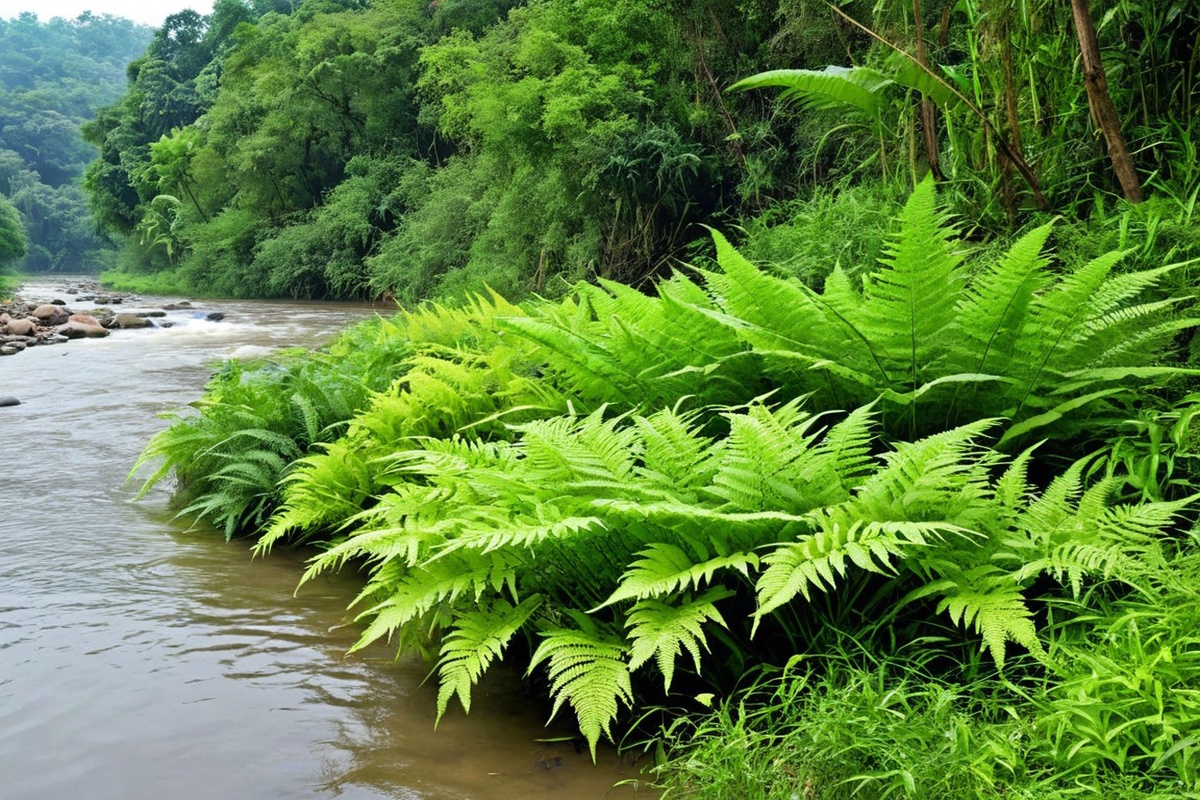
Across the world, the approach known as green engineering is becoming increasingly recognized and widely adopted in efforts to protect rivers and lakes.
Green engineering utilizes natural resources—primarily plants—to filter pollutants. This method not only contributes to maintaining water cleanliness, but also encourages ecosystem restoration and biodiversity conservation.
Commonly used plants for this purpose include reeds, Indian mustard, and Chinese brake fern (Pteris vittata). While reeds are mostly applied in wetland areas, Indian mustard and Chinese brake fern have demonstrated exceptional effectiveness in removing heavy metals such as nickel and arsenic from both water and soil.
The establishment of so-called green belts made of these plants prevents pollutants from entering watercourses, thereby directly improving water quality and enhancing the stability of riparian ecosystems. Unlike concrete embankments, which serve only to prevent erosion, green belts are natural, long-term sustainable, and environmentally friendlier solutions.
The application of green engineering is also more cost-effective, as it makes use of existing natural resources, which are significantly less expensive compared to chemical agents or infrastructural solutions. Vegetation regenerates naturally, and the systems that are formed become more resilient to external influences.
Germany, the Netherlands, and the United States are currently leading in the implementation of green engineering, while a growing number of countries around the world are recognizing this approach as a sustainable solution for the protection of rivers and lakes.
Works and plans in Kragujevac within the “Clean Serbia” project

Alongside the development of other infrastructure, the City of Kragujevac is actively carrying out activities within the “Clean Serbia” project.
As announced on the city’s official website, construction works will take place in Užičke Republike Street in the coming days, which will involve restoring the street to its original, technically sound condition.
At the same time, as part of the project, efforts are underway to resolve property and legal issues, which represent a preparatory phase for the installation of new manholes and pipelines. These activities will contribute to the further improvement of the city’s water supply and sewage systems.
“Clean Serbia” in three municipalities of the Rasina district

The Head of the Rasina Administrative District, Ivan Anđelić, highlighted the implementation of the “Clean Serbia” project as one of the key initiatives for the development of the district.
Among other important projects, such as the construction of water supply systems and wastewater treatment plants being carried out in the Rasina Administrative District, the “Clean Serbia” project also stands out, Anđelić emphasized.
“I would like to mention a significant project being implemented in Varvarin, Ćićevac, and Aleksandrovac – the ‘Clean Serbia’ project, which involves the construction of a sewage network and is financed by the Ministry of Environmental Protection. In Varvarin, the works are nearly completed, and the settlements of Katun, Obrež, and the village of Varvarin have received an entirely new sewage system. Work is currently underway in Ćićevac,” Anđelić said in a statement to krusevacgrad.rs.
According to him, preparations are also being made for the start of construction work in the municipality of Aleksandrovac as part of this project